Why Does My Rolling Shutter Stick Halfway Down? A Practical Introduction to 2026 Best Rolling Shutter Solutions
If you have asked, “Why does my rolling shutter stick halfway down?”, the problem may seem minor at first. Then the curtain stops above a doorway, leaving a heavy metal edge suspended in the air. You may hear scraping, clicking, or a strained motor. These sounds are useful clues, not background noise.
Rolling-shutter service engineer Ian Bell explains, “A shutter usually sticks where resistance becomes greater than movement.” That simple observation points toward several causes. Bent slats can rub against the side guides. Dust, paint flakes, or small stones can collect inside the tracks. A worn spring, loose bracket, damaged barrel, or weak motor can also interrupt travel. Each fault leaves a different physical symptom.
I have seen shutters blamed on motors when the real issue was poor alignment. It is an easy mistake. The curtain may look straight from the front, yet bind against one guide internally. Temperature can expose the weakness, too. Metal expands slightly, and old lubrication becomes thick. The shutter then stops at the same halfway point.
This guide examines reliable solutions for 2026. It focuses on inspection, safe adjustment, professional diagnosis, and sensible replacement decisions. Do not force the curtain downward. That can bend more slats or overload the motor. A careful check often reveals the answer, though not always immediately. Some faults hide behind the box. That is where experience matters.
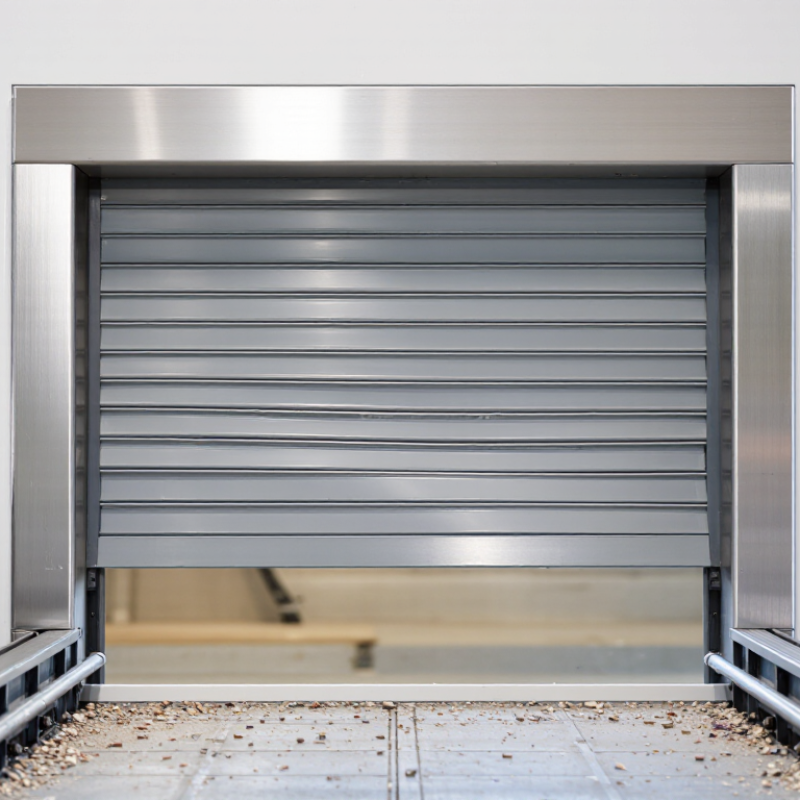
A sticking rolling shutter is rarely caused by one dramatic failure. In field inspections, the problem usually develops through several small defects.
The failure-mode map begins with the guides. Dust, loose masonry, and bent channels increase friction along the curtain’s edges. It starts quietly. The shutter may hesitate halfway, scrape loudly, or stop near the bottom. A damaged slat can then shift the curtain’s weight and worsen the resistance. Small errors matter.
The roller barrel also deserves attention. Misaligned brackets create uneven winding, while excessive tension can strain the motor and bearings. Incorrect travel limits may leave the curtain pressing against the sill. In humid areas, corrosion can roughen metal surfaces and restrict movement. Temperature changes may expand components slightly, exposing poor clearances that seemed acceptable during installation. This is where diagnosis becomes less certain; a motor fault may actually be a guide problem.
Tips: Switch off power before inspection. Clean guide channels with a dry brush. Check for bent slats, loose fasteners, and uneven gaps. Do not force a jammed curtain. Record the stopping position, sound, and weather conditions. These details help separate electrical, alignment, and friction-related failures. A practical inspection should also verify mounting level, shaft balance, emergency release operation, and limit settings. Replacement is not always the answer. Sometimes, the original installation simply needs a more critical review.
A rolling shutter rarely sticks without warning. Friction usually starts in the guides, where dust, paint flakes, or slight frame movement narrows the running gap. Slats then rub against rough edges. A bent slat can scrape like a metal ruler on concrete. The Door and Access Systems Manufacturers Association highlights guide alignment and component inspection as key safety concerns in rolling door maintenance. Small resistance becomes serious when repeated daily.
The axle and barrel also matter. Uneven slat weight can pull the curtain sideways, increasing bearing load. Dry bearings, weak springs, or a misaligned axle may force the motor to work harder. The U.S. Department of Energy’s 2022 Motor Systems Market Assessment reports that motor-driven systems consume about 68% of electricity in U.S. manufacturing. A shutter motor is smaller, but the lesson remains clear: resistance wastes energy and shortens service life. Seals create another problem. Hardened rubber can grip the bottom rail, especially in cold weather or after long exposure to sunlight. I have seen operators blame the motor first. That diagnosis is often wrong.
Tips: Inspect guide channels monthly. Remove grit with a soft brush, not aggressive grinding. Check whether both guides remain parallel. Listen for clicking, scraping, or uneven motor pitch. Measure unusual force only with suitable test equipment. Do not lubricate blindly; some lubricants attract dust or damage seals. Record the shutter’s noise and travel time. Imperfect records can still reveal a pattern.
A sticking rolling shutter usually leaves physical evidence. Check the side guides for dust, bent edges, or uneven gaps. Measure the curtain’s clearance at three heights. A narrow gap on one side often signals poor alignment. The shutter may look straight, yet its bottom rail can travel diagonally. I have seen installers blame the motor too early.
Test torque only after confirming free movement by hand. Excessive resistance can indicate damaged bearings, loose guides, or curtain deformation. Do not increase motor torque as a quick fix. It may hide the fault and overload the drive.
NFPA 80, 2025 edition, requires fire door assemblies to receive documented inspection and testing at least annually. That interval is a minimum, not a complete maintenance strategy. EN 12453 also emphasizes safe testing for powered doors, including protective devices and operating controls.
Tips:
Disconnect power before mechanical checks. Mark both guide edges with chalk. Open the shutter slowly and watch for repeated contact points. Test the upper and lower limits separately. The curtain should stop without slamming or leaving excessive tension. Record torque readings, clearances, and limit settings. My own imperfect practice is simple: repeat the test after a cool-down period. Heat can change motor behavior, and one successful cycle proves very little.
2026 Best Rolling Shutter Solutions: Why Does It Stick?
A sticking rolling shutter usually gives clues before it fails. Dust collects inside the side guides, while small stones can interrupt the curtain’s movement. Cleaning is the sensible first fix when the shutter feels rough but remains level. Remove visible debris, wipe the guide channels, and inspect the bottom seal. Do not force the shutter. That can bend the slats or damage the drive system.
Releveling works better when one side rises higher than the other. Measure the gap between the curtain and both guides at several points. Uneven gaps often indicate a shifted guide, loose fixing, or a slightly displaced barrel. A trained technician should correct the alignment and test the shutter through several cycles. It is a small adjustment, but it demands patience. A quick spray is not a complete repair.
Repair becomes appropriate when the shutter has one damaged slat, a loose guide, worn fasteners, or a faulty stopping mechanism. Replacement is more practical when corrosion affects the curtain, the barrel is distorted, or failures keep returning. Age alone is not enough evidence. I have seen older shutters operate safely after careful realignment, while newer units needed replacement after poor installation. Record the noise, stopping points, and visible damage before choosing. This evidence prevents an expensive guess.
2026 Best Rolling Shutter Solutions: Why Does It Stick?
A rolling shutter may stick when guides collect dust, slats shift, or wind pressure bends the curtain. EN 13659 classifies wind resistance from Class 0 to Class 6, with Class 6 offering the highest tested resistance. Class 0 does not confirm useful wind performance. Select the class according to opening size, building exposure, and local weather data. A higher class is not automatically safer if the guides or fixing points are poorly installed. That mistake is common.
Tips: Check both guides before blaming the motor. Remove grit, inspect damaged slats, and confirm the curtain hangs evenly. Test movement during calm conditions. Never defeat a safety device to make a shutter move. It may hide a serious alignment problem.
In the United States, UL 325 focuses on operator safety and entrapment protection. Suitable controls may require monitored photo eyes, sensing edges, safe stopping, and controlled reversal, depending on the installation. These controls can reduce injury risks, but they cannot repair a jammed curtain. The operator should stop when resistance appears, not force the shutter downward. Qualified installers should verify limits, emergency release, wiring, and protective-device operation. Standards guide the design, yet site judgment still matters. I would rather record an uncertain wind exposure than pretend the calculation is perfect. Safety reviews should be repeated after repairs, storms, or structural changes.
Safety Standards: EN 13659 Wind Classes 0–6 and UL 325 Controls
Reference framework: EN 13659, External blinds and shutters — Performance requirements including wind resistance; UL 325, Door, Drapery, Gate, Louver, and Window Operator and System Standard.
Dust, loose masonry, and bent guide channels increase friction. The problem often develops quietly. Small defects add up.
Check the side gaps at three heights. A narrow gap on one side suggests poor alignment. Watch whether the bottom rail travels diagonally.
Look for damaged or shifted slats. Inspect bent edges and loose fasteners. One damaged slat can redistribute the curtain’s weight.
Yes. A guide problem can resemble a motor fault. Test smooth hand movement before checking motor torque. My diagnosis may still be imperfect.
Higher torque can hide mechanical resistance. It may overload the drive, bearings, or curtain. Do not force a jammed shutter.
Humidity can corrode metal surfaces and make them rough. Temperature changes can reduce clearances. A shutter may stick only when conditions change.
Record the stopping position, sound, weather, clearance, torque, and limit settings. A scraping sound near the bottom is useful evidence.
Switch off power before mechanical checks. Use a dry brush for guide channels. Check the emergency release and protective controls carefully.
Replacement may not be needed. Cleaning, alignment, balanced mounting, or corrected limits can restore movement. Recheck after the motor cools. One successful cycle proves very little.
Rolling shutters can stick because friction, misalignment, or excessive load develops at several points in the system. Guides may collect debris or become uneven, slats can shift or deform, axles may lose level alignment, and motors or springs may struggle with increased resistance. Seals can also swell or harden, narrowing the travel path. If you ask, “Why does my rolling shutter stick halfway down,” the most useful starting point is to inspect alignment, guide clearance, slat movement, and unusual changes in operating torque.
A practical 2026 diagnosis should combine visual checks with controlled limit and torque tests. Cleaning may solve light contamination, while releveling or adjusting guides can correct uneven travel. Damaged slats, worn axles, failed motors, or distorted guides may require repair or full replacement. Any solution should preserve safe movement and comply with applicable requirements, including EN 13659 wind performance Classes 0–6 and appropriate UL 325 control and entrapment-protection principles.

Vistaro Door