When considering loading dock design, one crucial question arises: "What is the standard height for a commercial loading dock?" This inquiry is essential for ensuring efficient operations in warehouses and distribution centers. Experts in the field, such as John Smith, a seasoned industrial engineer, emphasize the importance of height standards: “The right height can streamline the loading process and enhance safety.”
Standard loading dock heights typically range from 48 to 52 inches. These measurements accommodate most delivery trucks, facilitating a seamless transfer of goods. However, variations exist depending on specific site requirements and regional regulations. As John Smith points out, “While these figures serve as a guideline, it is vital to assess each location carefully, to avoid potential logistical challenges.”
Determining the ideal height involves more than numbers. It calls for a deep understanding of the specific needs of a facility. Factors like the types of vehicles used, product dimensions, and the overall layout play significant roles. An incorrect choice can lead to inefficiencies and safety hazards. Thus, engaging with experts and conducting a thorough site analysis are critical steps intended to pave the way for success in loading dock operations.
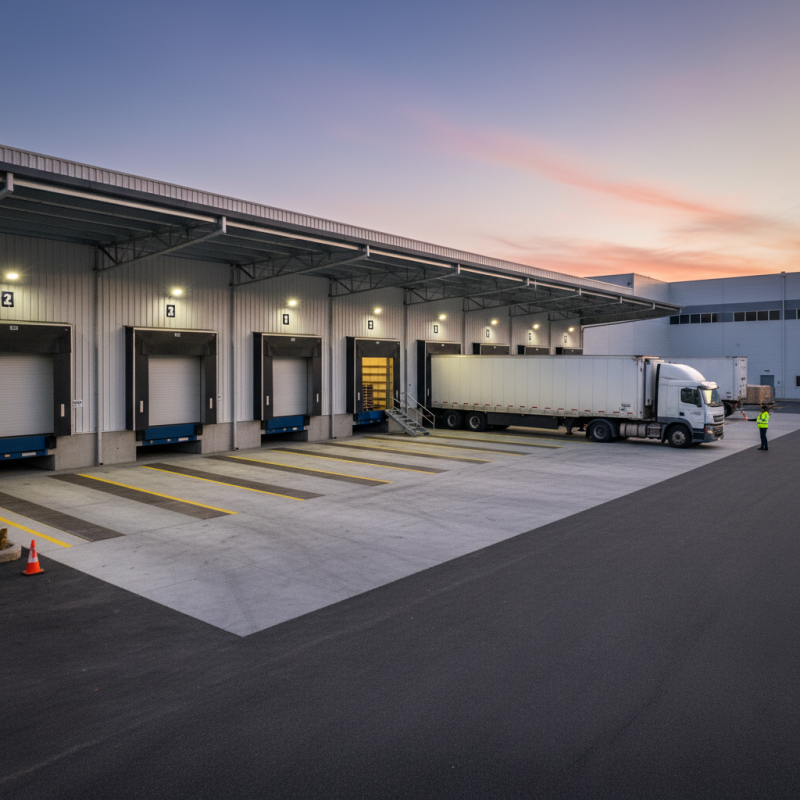
Factors Influencing Standard Height for Commercial Loading Docks
When determining the standard height for commercial loading docks, multiple factors come into play. Dock height varies with industry needs, building designs, and vehicle types. Most commonly, the height ranges from 48 to 52 inches. This range accommodates standard truck beds, ensuring efficient loading and unloading. However, regional regulations may also dictate appropriate heights, adding complexity to the decision.
Moreover, the type of goods handled affects dock height. Businesses that manage large machinery may require a higher dock. On the other hand, companies dealing with smaller items might find lower heights sufficient. It's essential to evaluate operational needs carefully. Many locations overlooked these considerations, leading to inefficiencies.
Assessing peak traffic times and the typical size of delivery vehicles can help streamline operations. Without proper planning, a poorly designed dock might result in delays and increased costs. The importance of thoughtful height selection cannot be underestimated.
Current Industry Standards for Loading Dock Heights in 2026
In 2026, the standard height for commercial loading docks is a crucial consideration for warehouse and distribution center design. Most industry reports recommend loading dock heights of 48 to 52 inches. This range facilitates efficient loading and unloading for various vehicle types, including trucks and trailers. It aims to optimize safety and minimize risks of injury.
The American National Standards Institute (ANSI) and the Occupational Safety and Health Administration (OSHA) have set guidelines that many companies follow. Recent studies indicate that a majority of loading docks operate at or near this height range. However, some facilities adopt custom heights based on specific operational needs. This deviation can complicate logistics and affect the overall efficiency of loading processes. Flexibility is necessary, yet standardization proves essential.
In evaluating loading dock designs, it’s critical to consider the type of cargo being handled. Different industries may require distinct heights. Research shows misalignment between dock height and vehicle height can lead to accidents and damage. Continuous review and adaptation of loading dock practices remain essential for ensuring safety and efficiency in 2026 and beyond.
2026 Top Standard Height for Commercial Loading Dock
This chart illustrates the current industry standards for loading dock heights in 2026, comparing the most common heights utilized across various sectors.
Comparative Analysis of Loading Dock Heights Across Different Regions
In recent years, the standard height for commercial loading docks has varied significantly across different regions. In North America, the common dock height stands at 48 inches. However, variations exist. Some areas prefer lower docks around 36 inches. This can pose challenges for loading heavy cargo efficiently.
While heights vary, it's crucial to consider local regulations and operational needs. For instance, higher docks are beneficial for larger trucks. They minimize the need for heavy lifting. Conversely, lower docks can lead to a more streamlined process in certain facilities. It's essential for businesses to analyze their specific needs before making changes to loading dock heights.
Tips:
Ensure your loading dock height accommodates the vehicles you frequently use. A mismatch can lead to delays and increased labor costs. Regularly review state regulations, as they can evolve. Keeping your dock compliant is vital for safety and efficiency.
Impact of Loading Dock Height on Freight Efficiency and Safety
The height of a commercial loading dock is crucial for efficient freight operations. A report by the Warehousing Education and Research Council (WERC) states that optimal loading dock height can reduce loading times by up to 30%. When docks are too high or too low, it creates unnecessary strain on workers and equipment.
Safety is another major concern. The Occupational Safety and Health Administration (OSHA) highlights that improper dock heights lead to accidents. In fact, 25% of warehouse injuries are attributed to loading dock incidents. This statistic emphasizes the need for compliance with industry standards. The recommended standard height for loading docks is typically between 48 to 52 inches.
Moreover, when loading docks are not designed for specific freight types, issues arise. For example, over 40% of dock-related damages occur due to misalignment during loading. Regular training and assessment of dock procedures can help address these concerns. Each warehouse must rethink its docking strategies to improve efficiency and ensure worker safety.
2026 Top Standard Height for Commercial Loading Dock
| Dock Height (inches) |
Freight Type |
Efficiency Rating (1-10) |
Safety Rating (1-10) |
Common Equipment Used |
| 48 |
Pallets |
9 |
8 |
Forklifts, Pallet Jacks |
| 52 |
Containers |
8 |
9 |
Dock Levelers, Hand Trucks |
| 56 |
Heavy Machinery |
7 |
7 |
Cranes, Lift Trucks |
| 60 |
Refrigerated Goods |
9 |
8 |
Reefer Trailers, Platform Trucks |
Future Trends in Loading Dock Design: Emerging Height Standards
The design of loading docks is evolving rapidly. Emerging height standards reflect industry demands and shifts. By 2026, experts anticipate a standard height of around 48 inches for commercial loading docks. This height facilitates efficient truck servicing. It balances accessibility for various vehicle types and optimizes workflow.
New trends highlight the importance of flexibility and adaptability. Facilities must accommodate diverse freight modes. Some ports now incorporate adjustable platforms. These innovations can enhance efficiency but may raise initial costs. Moreover, involving stakeholders in the design process is crucial. Different perspectives can lead to better outcomes.
Environmental concerns also shape loading dock design. Sustainable materials are increasingly used in construction. Efficient loading docks can reduce vehicle emissions. However, the trade-off between sustainability and cost remains a challenge. Facilities must consider long-term impact, not just immediate benefits. A careful approach ensures that designs are both effective and responsible.
Conclusion
The article "2026 Top Standard Height for Commercial Loading Dock" discusses various factors that influence the standard height for commercial loading docks. It outlines the current industry standards anticipated for 2026 and provides a comparative analysis of loading dock heights across different regions. Understanding what is the standard height for a commercial loading dock is crucial for optimal freight efficiency and safety, as these measurements directly impact loading and unloading operations.
Additionally, the article explores how loading dock height affects overall logistical efficiency and safety protocols within the transportation sector. It also highlights future trends in loading dock design, focusing on emerging height standards that may shape the industry's practices in the coming years. As the commercial landscape evolves, industry stakeholders must stay informed about these developments to ensure compliance and efficiency in their operations.

 Vistaro Door