Top 5 Benefits of High Speed Doors in Food Processing?

Time:2026-06-01 Author:Mason
0%

High speed doors have become essential in the food processing industry. Their role is significant in enhancing operational efficiency and maintaining hygiene. According to John Smith, a leading expert in food processing technology, "High speed doors minimize contamination risks and improve workflow." This insight emphasizes the growing importance of speed doors in food safety.

What are the benefits of high speed doors in food processing? They offer temperature control, reduce energy loss, and increase productivity. These doors can open and close in seconds, limiting air exchange. In a food processing environment, this speed is crucial. The faster goods move between areas, the fresher they remain.

However, there are challenges. Not all facilities have the same needs. The initial investment can be high, yet the long-term savings and efficiency gains often outweigh the costs. Some may find maintenance daunting. It's vital to balance these factors when implementing high speed doors.
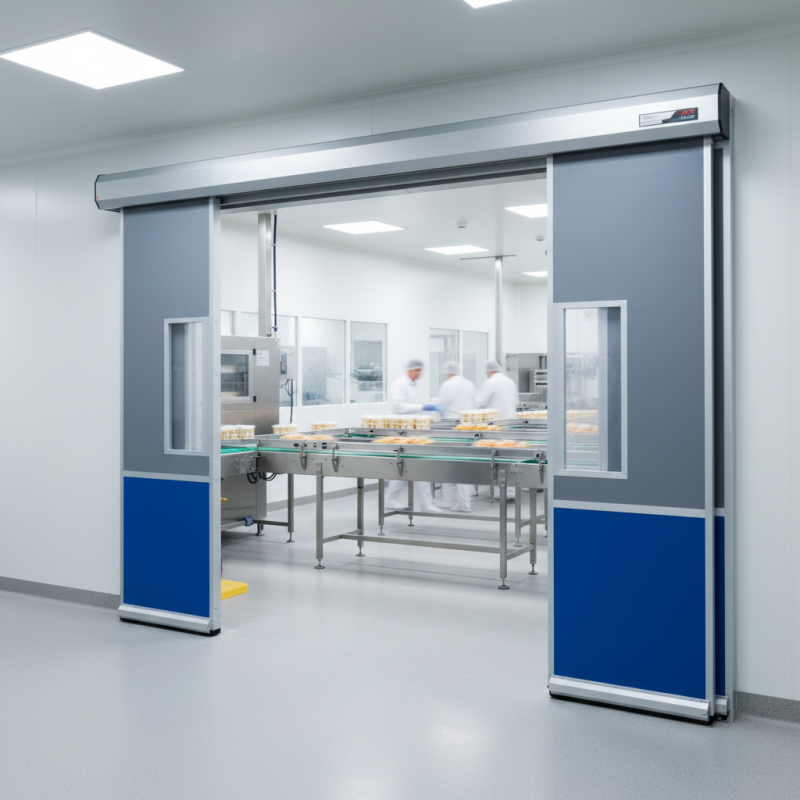
Top 5 Benefits of High Speed Doors in Food Processing?

Key Advantages of High Speed Doors in Food Processing Facilities

High-speed doors play a vital role in food processing facilities. They offer several advantages that enhance operational efficiency. These doors can significantly reduce energy costs by minimizing temperature fluctuations. When properly sealed, they maintain the ideal climate for perishable goods. This simple change can lead to better product quality and lower spoilage rates.

Another key advantage is improved workflow. With their quick opening and closing mechanisms, high-speed doors allow for smooth transitions between different areas. This encourages faster movement of goods and personnel. The result is an increased productivity level, which is essential in a fast-paced industry like food processing.

Additionally, high-speed doors contribute to hygiene standards. By reducing airflow and preventing contaminants from entering sensitive areas, they help maintain cleanliness. However, there is room for improvement in ensuring these doors are regularly maintained. Over time, wear and tear may affect their performance, leading to potential risks. Regular inspections and timely repairs are crucial for sustaining their benefits.

Impact on Food Safety: Reduced Contamination Risks with Quick Access

High-speed doors are becoming essential in food processing facilities. They allow for quick access, which significantly reduces wait times. This swift movement can be critical during busy hours. Closing quickly prevents contaminants from entering food processing areas. The rapid operation helps maintain consistent temperatures, protecting perishable items from spoilage.

Efficient design is a key feature of these doors. They often include airtight seals, minimizing exposure to outside elements. Less exposure means fewer chances of contamination. Yet, installation requires careful consideration. Poor placement may lead to workflow disruptions. Regular maintenance is vital to ensure they function optimally. If they malfunction, risks of contamination can rise.

Training employees to use these doors correctly is equally important. Even high-speed doors can be misused. Neglecting safe practices can lead to accidents. Regular audits can help identify training needs and equipment issues. A proactive approach promotes a culture of safety and efficiency, safeguarding food quality.

Energy Efficiency: Cost Savings through Temperature Control

High speed doors play a crucial role in food processing environments. They help maintain strict temperature controls, which is essential for food safety. Research shows that these doors can reduce energy costs by up to 60%. They minimize air exchange, preventing heat loss or gain during opening and closing. This efficiency translates into significant financial savings over time.

Maintaining the right temperature is vital. High speed doors create a barrier against outside conditions. Without them, fluctuations can spoil products and lead to waste. According to a report by the U.S. Department of Energy, improper temperature management can increase energy consumption by 30%. High speed doors can mitigate this risk effectively.

Tip: Regular maintenance of high speed doors ensures they operate at peak efficiency. Check seals and sensors frequently.

Implementing these doors can enhance operational efficiency. However, some facilities may overlook the return on investment. They may underestimate potential energy savings. Ensure you analyze your usage patterns for maximum benefit.

Tip: Conduct an energy audit to identify areas where high speed doors can reduce costs.

Enhanced Workflow: Increased Productivity in Food Handling Operations

High-speed doors play a vital role in enhancing workflow within food processing operations. By providing rapid access to different zones, these doors minimize wait times. Workers spend less time waiting for doors to open, ensuring smooth transitions between areas like storage, processing, and packaging. This efficiency can lead to notable improvements in productivity.

In food handling, speed is key. High-speed doors can operate at impressive speeds, which is crucial during peak hours. They reduce the exposure of sensitive products to environmental factors, maintaining quality. However, some facilities may struggle with maintenance. If not regularly serviced, these doors could malfunction, leading to disruptions. This potential downtime can impact the overall workflow. Keeping a maintenance schedule is essential to prevent such issues.

The integration of high-speed doors also contributes to worker safety. With swift closures, the likelihood of accidents decreases, protecting staff and products alike. Yet, operators must remain vigilant about their surroundings. Distractions can lead to mishaps during high-pressure situations. Balancing speed and safety is a continuous challenge that food processing facilities face.

Compliance Benefits: Meeting Regulatory Standards with High Speed Doors

High speed doors play a crucial role in food processing facilities. They ensure compliance with health and safety regulations. The USDA and FDA set stringent standards to maintain cleanliness. High speed doors help in achieving these by minimizing contamination risks. They can reduce air exchange and maintain controlled environments.

According to industry reports, facilities using high speed doors show a 30% decrease in pest infiltration. This statistic highlights their effectiveness in maintaining hygiene. Moreover, high speed doors create a barrier against external pollutants. This is vital for meeting food safety audits. With these doors, processing plants can demonstrate proactive measures towards compliance.

Despite the benefits, the initial installation costs can be high. Facilities must weigh these against long-term savings and compliance advantages. Regular maintenance is essential as well. Neglecting it can lead to compliance issues. Some facilities may overlook this aspect, risking audit failures. High speed doors require careful management for optimal operation and regulatory adherence.

FAQS

: What are the benefits of high-speed doors in food processing facilities?

: High-speed doors reduce energy costs, maintain ideal climate conditions, and improve product quality.

How do high-speed doors enhance workflow?

They allow quick transitions between areas, speeding up movement of goods and personnel.

Can high-speed doors help with hygiene standards?

Yes, they minimize airflow and prevent contaminants from entering sensitive areas, aiding cleanliness.

What maintenance is required for high-speed doors?

Regular inspections and timely repairs are important to sustain their performance and benefits.

How do high-speed doors impact food safety?

They reduce wait times for access, preventing contaminants and maintaining consistent temperatures.

Why is employee training important for using high-speed doors?

Misuse can lead to accidents. Training promotes safety and efficiency in operations.

Conclusion

High speed doors offer several significant advantages for food processing facilities, addressing key operational needs in this critical sector. What are the benefits of high speed doors in food processing? Firstly, they enhance food safety by reducing the risk of contamination, allowing quick access while minimizing the exposure of products to external elements. Secondly, these doors improve energy efficiency, leading to substantial cost savings through better temperature control, which is crucial for maintaining product quality.

Additionally, high speed doors contribute to enhanced workflow by facilitating faster movement of goods within the facility, resulting in increased productivity during food handling operations. Lastly, they assist in compliance with regulatory standards, ensuring that facilities meet necessary health and safety requirements. Overall, the implementation of high speed doors can dramatically improve operational efficiency and safety in food processing environments.

Mason

Mason

Mason is a seasoned marketing professional with a deep expertise in the company's offerings and a passion for driving brand awareness. With a strong background in digital marketing strategies, he has an innate ability to connect with diverse audiences and effectively communicate product benefits.......