7 Best Ways to Fix a Noisy Sectional Garage Door?

Time:2026-09-24 Author:Henry
0%

A noisy sectional garage door can turn a quiet morning into a harsh chain of rattles, squeaks, and metallic bangs. The sound may come from worn rollers, loose hinges, dry bearings, or an opener that is working too hard. Learning how to fix a noisy sectional garage door starts with identifying the noise, not guessing at the repair.

Garage-door safety expert Tom Wadsworth offers a practical warning: “Never treat a noisy garage door as harmless; noise is often the first sign of a developing problem.” That advice matters. A door that still opens may already have damaged rollers or stressed hardware. During routine service calls, technicians often find loose track bolts, cracked hinges, and neglected lubrication hiding behind ordinary household noise.

Small details reveal a lot. A high-pitched squeak near the hinges suggests friction. A grinding sound may point to worn rollers. A loud pop from the upper section could involve spring tension, which requires extra caution. Do not adjust springs or cables without proper training. They store dangerous energy.

This guide presents seven practical ways to reduce sectional garage-door noise. It covers safe cleaning, correct lubrication, hardware checks, roller inspection, track alignment, opener maintenance, and professional evaluation. Some fixes are simple. Others are not. A careful inspection may show that the original assumption was wrong, and that is useful. Quiet operation should never come at the cost of safety, balance, or reliable door movement.
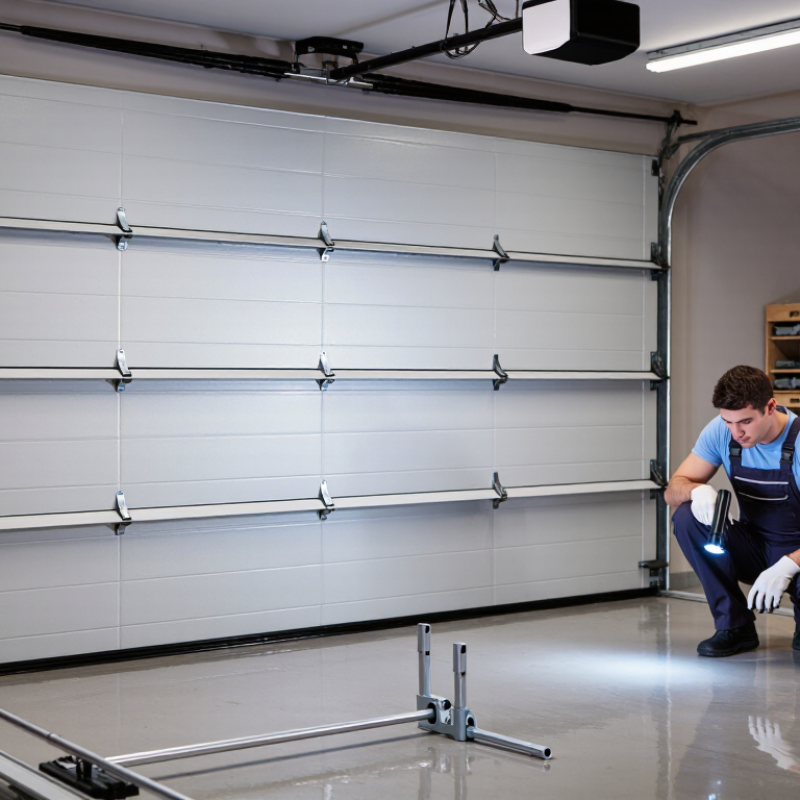
7 Best Ways to Fix a Noisy Sectional Garage Door?

Identify the Source and Type of the Garage Door Noise

A noisy sectional garage door needs diagnosis before repair. The sound often reveals the faulty part. A sharp squeal usually points to dry rollers, hinges, or track contact. A grinding sound may indicate worn rollers or metal rubbing against the track. Rattling often comes from loose bolts, brackets, or ceiling hardware. Listen carefully. The location matters as much as the volume.

Stand inside the garage while someone operates the door from a safe distance. Keep hands away from moving sections and cables. Notice whether the noise starts during lifting, lowering, or both. A popping sound near the upper corners can involve spring tension, which should not be adjusted casually. A vibrating hum from the opener may come from mounting hardware rather than the door itself. I once blamed the rollers, but a loose track bracket caused the louder noise.

A simple observation can prevent the wrong repair. Open the door manually only after disconnecting the opener, and stop if the door feels unusually heavy. If the rollers wobble, inspect their stems and hinges for visible wear. If the track looks bent, do not force the door through it. Record the sound on a phone if it happens intermittently. That small detail can help a trained technician identify the pattern. Some noises overlap, so my first guess may still be wrong. Careful checking matters.

7 Best Ways to Fix a Noisy Sectional Garage Door: Identify the Source and Type of Noise

Use this diagnostic priority guide to identify the likely source before making repairs. Squealing or grinding commonly points to rollers, hinges, or bearings; rattling often indicates loose hardware or track vibration; popping and snapping should be checked around the springs and lifting cables. Disconnect power before inspection, keep hands away from springs and cables, and have torsion-spring repairs handled by a qualified professional.

Relative diagnostic priority: 1 means inspect first and 5 means inspect later. The values are a troubleshooting order, not measured noise-frequency data.

Tighten Loose Hardware and Inspect Door Components

A noisy sectional garage door often needs a careful hardware inspection, not immediate part replacement. Start by closing the door and disconnecting the opener from power. Move the door by hand only if it feels balanced and safe. Listen for rattling near each hinge, roller bracket, and track fastener.

Use a socket wrench to tighten loose nuts and bolts. Do not overtighten them, because crushed hinges can restrict panel movement. Check the metal tracks for shaking, gaps, or visible bends. Inspect each roller for flat spots, wobbling, or dry bearings. A small crack around a hinge deserves attention. I once focused on the rollers and missed a loose bracket near the top panel. That mistake made the repair take longer.

Tips: Mark noisy areas with removable tape before tightening anything. Lubricate hinges and rollers with a garage-door lubricant, but keep it away from the tracks. Never adjust springs, lift cables, or bottom brackets yourself; they hold dangerous tension. If the door rises unevenly, slams down, or feels unusually heavy, stop testing it. A qualified technician should inspect the balance and damaged components. My early repairs taught me that noise is sometimes a symptom, not the actual fault. A quiet door is not always a safe door.

Lubricate Rollers, Hinges, Springs, and the Opener Chain

A noisy sectional garage door often needs maintenance before replacement. In field service, I have found that dry rollers and hinges create sharp squeaks, while a loose opener chain produces rattling. Disconnect the opener’s power first. Wipe dust from the rollers, hinge pivots, and chain. Apply a garage-door-rated silicone lubricant to roller bearings and hinge joints. Use a light chain lubricant on the opener chain, then remove excess with a clean cloth. Too much lubricant attracts grit. I learned that lesson after a door became louder within weeks.

Lubricate the exposed surfaces of extension or torsion springs lightly, but never adjust spring tension yourself. Springs store dangerous energy. Inspect tracks, tighten loose fasteners, and check whether the door moves evenly by hand. A dragging door can overload the opener. The Door and Access Systems Manufacturers Association advises regular inspection of balance, hardware, and safety reversal systems. CPSC injury surveillance has associated garage-door products with roughly 20,000 emergency-department injuries annually in the United States, so noisy operation deserves attention, not dismissal. A professional should inspect damaged cables, bent tracks, or stretched springs.

Tips: Listen at different points during one complete cycle. A squeak near the floor usually suggests a roller or hinge. A metallic rattle often points to loose hardware or chain slack. NIOSH recommends limiting occupational noise exposure to 85 dBA over eight hours. Your garage is not a factory, but hearing protection is sensible during testing. Do not spray lubricant on the track surface; rollers need contact there. Rescue? No—stop and call a qualified technician when the door drops, binds, or reverses unpredictably.

Align or Replace Worn Rollers and Damaged Tracks

A noisy sectional garage door often points to worn rollers or damaged tracks, not a failing opener. DASMA technical guidance stresses correct door alignment and smooth roller movement during inspection. In practice, listen beside each hinge as the door moves slowly. A dry roller may squeak. A cracked roller may produce a sharp, repeating rattle.

Check the vertical tracks for bends, loose fasteners, and dark metal dust. Tracks should guide rollers, not carry the door’s weight. The U.S. Consumer Product Safety Commission has reported roughly 20,000 garage-door-related injuries annually in historical injury estimates, so avoid adjusting springs or lifting cables yourself. Replace rollers showing flat spots, broken stems, or excessive side play. Nylon rollers can reduce vibration, while sealed bearings usually tolerate frequent operation better. Still, specifications vary.

A straight track does not guarantee quiet operation. Measure spacing from the door edge at several points. Small alignment errors can force rollers against the track wall. DASMA maintenance recommendations support periodic inspection of fasteners, rollers, hinges, and lifting components. Lubricate roller bearings only when the manufacturer permits it. Grease inside tracks often attracts grit and worsens the sound. I once treated the symptom and ignored a slightly twisted bracket. The noise returned within weeks. That mistake matters: replace damaged hardware, then realign the track before judging the repair. A trained technician should verify balance, travel, and reversal performance afterward.

Test the Door Safely and Know When to Call a Professional

A noisy sectional garage door needs a careful test, not immediate force. Start with the door fully closed. Stand clear of the panels, then listen during one complete opening cycle. Record where the sound begins. Rattling may come from loose hinges or track hardware. Squealing can suggest dry rollers. Grinding, snapping, or sudden popping deserves more caution.

Disconnect the opener only as directed by its manual. Keep the door closed before testing manual movement. Lift it a few inches, then stop. A balanced door should feel manageable and remain near that position. Never touch springs, cables, or bottom brackets. These parts store dangerous tension. My own first instinct would be to tighten everything, but that can hide a damaged component. Clean visible track debris, check loose fasteners, and use only a suitable garage-door lubricant.

Tips

Keep fingers away from panel joints. Do not stand beneath a raised door. Stop if the door feels unusually heavy, drops, bends, or moves unevenly. Call a qualified professional for broken springs, frayed cables, bent tracks, loud bangs, or an opener that strains. Professional help is also sensible when noise returns after basic maintenance. A quiet door is not automatically safe. Even a short test can reveal a problem that needs trained inspection.

FAQS

Why is my sectional garage door making a sharp squeaking sound?

Dry rollers or hinge pivots often cause sharp squeaks. Listen near the floor during one complete opening cycle.

What should I do before lubricating the door?

Disconnect the opener’s power. Wipe dust from rollers, hinges, and the chain with a clean cloth.

Which parts should receive lubricant?

Apply garage-door-rated silicone lubricant to roller bearings and hinge joints. Use light chain lubricant on the opener chain.

Can I spray lubricant inside the tracks?

No. Rollers need contact with the track surface. Grease can attract grit and make movement noisier.

How much lubricant is enough?

Use a light coating, then remove excess. Too much backfires. I learned this after noise returned within weeks.

Is it safe to adjust garage-door springs myself?

No. Springs store dangerous energy. Do not adjust spring tension or lifting cables without qualified professional help.

When should worn rollers be replaced?

Replace rollers with flat spots, cracked surfaces, broken stems, or excessive side movement. Sealed bearings may handle frequent use better.

What could cause a metallic rattling sound?

Loose fasteners, chain slack, or a damaged track may create metallic rattling. Check for dark metal dust and loose hardware.

How can I tell whether the track is misaligned?

Measure the door-edge spacing at several points. Small errors can push rollers against the track wall.

When should I stop testing the door?

Stop if the door drops, binds, or reverses unpredictably. A technician should check balance, travel, and safety reversal.

Conclusion

A noisy sectional garage door can often be restored to smooth, quiet operation with a careful inspection and a few simple adjustments. Start by identifying the type and location of the sound, such as squeaking, rattling, grinding, or popping. Then examine the door’s hardware, hinges, rollers, brackets, springs, and tracks for loose, damaged, or worn parts. Tighten accessible bolts and screws, and apply a suitable garage-door lubricant to the rollers, hinges, springs, and opener chain. Avoid using excessive force or applying lubricant to components that should remain dry.

If the noise continues, check whether the rollers are aligned correctly and whether the tracks are bent, dirty, or damaged. Worn rollers or unsafe track components may need professional replacement. After making minor adjustments, test the door from a safe distance and observe its movement, balance, and sound. Anyone asking “How to fix a noisy sectional garage door” should remember that broken springs, severely damaged tracks, or an unbalanced door require a qualified technician rather than a risky DIY repair.

Henry

Henry

Henry is a dedicated marketing professional with a profound expertise in the company's offerings. With years of experience in the industry, he possesses an impressive understanding of the market dynamics and consumer behaviors that drive success. Henry is committed to sharing his insights through......