Garage doors are essential for home security and convenience. However, many homeowners in China are faced with a sudden garage door malfunction. A common issue is the unexpected breakage of garage door springs. This can create both safety hazards and inconvenience. Understanding what causes a garage door spring to break suddenly is crucial for prevention.
There are several factors that contribute to this problem. Over time, springs can wear due to continuous use. Environmental conditions, such as humidity and temperature changes, can also weaken their structure. Quality of materials plays a significant role as well. Low-grade springs may fail sooner than expected. These elements highlight the need for examining your garage door system regularly.
Many owners overlook the health of garage door springs. This can lead to dangerous surprises. A broken spring can prevent a garage door from opening or closing properly. It's vital to pay attention to any signs of wear and tear. Ensuring regular maintenance can save you from unexpected breakdowns and costly repairs. Awareness of these issues can lead to safer and more reliable operation.
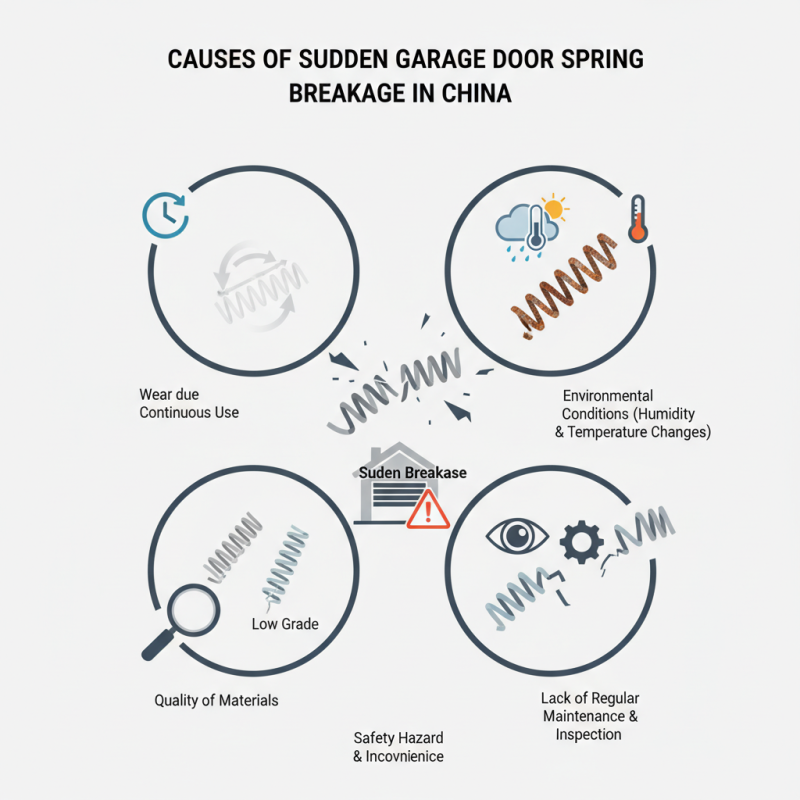
Garage door springs play a crucial role in the functionality of your door. Over time, wear and tear can cause these springs to break suddenly. One common reason is rust and corrosion. When springs are exposed to moisture, they can weaken. This deterioration often goes unnoticed until it's too late.
Another factor is the spring's age. Most springs have a limited lifespan, usually between 7 to 14 years. If your garage door receives frequent use, the springs may wear out faster. Regular inspections can help catch potential issues early.
The tension on the springs can also cause problems. If the springs have been improperly installed, they may experience undue stress. Temperature fluctuations can also play a role in spring failure. In colder weather, metal can contract, making springs more vulnerable to breaking. This is especially true in regions with extreme temperature changes.
Understanding these factors is vital for maintaining the health of your garage door. Regular maintenance is your best defense against sudden failures.
: Common causes include rust, corrosion, age, and improper installation. Regular checks can help identify these issues early.
Most springs last between 7 to 14 years, or about 10,000 cycles depending on usage.
Humidity can lead to rust and corrosion, weakening the springs over time.
Look for signs of wear, rust, or any unusual sounds. A simple visual check can reveal potential issues.
It’s best to lubricate the springs at least twice a year to reduce friction.
Ignoring small issues can lead to bigger problems, like sudden spring breakage and costly repairs.
Yes, extreme cold can make springs more vulnerable to breaking, due to metal contraction.
Yes, keeping the area free of debris helps avoid stress on the springs and ensures smooth operation.
Investing in good materials can mitigate future failures and save you from inconvenience in the long run.
Contact a professional for repairs. A broken spring can be hazardous and may require specialized tools for replacement.
Garage door springs are critical components that often break suddenly, raising the question: what causes a garage door spring to break suddenly? Common reasons include wear and tear from regular use, manufacturing defects, and subpar installation. Understanding the lifecycle and durability of these springs is crucial, as they typically have a limited lifespan, and factors like poor maintenance can exacerbate breakage.
Industry statistics reveal that a significant number of garage door spring failures can be attributed to environmental factors, such as extreme temperatures and humidity, which affect the metal's integrity. Regular maintenance practices, including lubrication and inspections, can effectively prevent sudden breakage by ensuring the springs remain in good working condition. Proper care and awareness of these factors can significantly extend the life of garage door springs and enhance their performance.

 Vistaro Door