How to Choose the Best Rolling Security Closures for Your Business?

Time:2026-03-30 Author:Sophia
0%

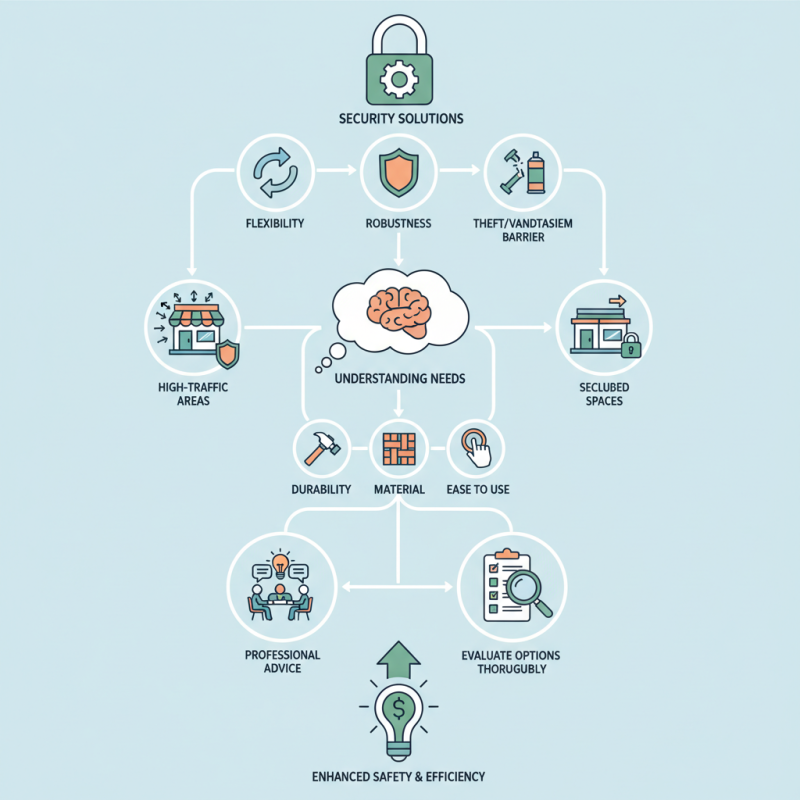
Choosing the right security solutions for your business is crucial. Among various options, rolling security closures stand out. These closures offer flexibility and robustness, catering to multiple industries. They function as an effective barrier against theft and vandalism, making them essential for safeguarding assets.

Understanding your specific needs is key when selecting rolling security closures. Different types are available, each with unique features. For instance, some closures are designed for high-traffic areas, while others suit more secluded spaces. You should consider factors like durability, material, and the ease of use. A well-informed choice can enhance safety and efficiency.

However, the decision-making process is not always straightforward. Many businesses overlook the importance of professional advice. Consulting with experts can provide insights tailored to your situation. Evaluate your options thoroughly; don’t settle for the first choice that seems suitable. Take the time to reflect on your needs and the best ways to meet them with rolling security closures.
How to Choose the Best Rolling Security Closures for Your Business?

Key Considerations for Selecting Rolling Security Closures

When selecting rolling security closures for your business, it’s essential to evaluate various aspects. Security should be the top priority. Look for materials that are durable and resistant to tampering. Steel is a common choice due to its strength. However, consider how it fits the design of your space. A sleek appearance might matter if aesthetics are important.

Think about the operational needs as well. How frequently will these closures be used? Frequent access requires a system that opens and closes easily. Manual systems may be simpler, but motorized options offer convenience. Also, prioritize the size. Ensure the closure fits the designated area without obstructing movement.

Maintenance is another crucial factor. Regular upkeep can prevent issues down the line. It's easy to overlook, but it has lasting impacts. Identify if your team will handle maintenance or if you’ll need professional support. The selected closure will need to balance security, usability, and potential maintenance challenges. Engage with professionals to guide this decision. Their experience can provide insights tailored to your specific needs.

Types of Rolling Security Closures Available for Businesses

When considering rolling security closures, several types are available. Each type serves a unique purpose and has specific features.

Roll-up doors are common in warehouses. They provide easy access while ensuring strong security. These doors can withstand harsh weather conditions. They are often made from durable materials. However, they require periodic maintenance to ensure they function properly.

Grilles offer visibility and ventilation. These security closures are great for retail stores. They allow customers to see products while deterring theft. While visually appealing, grilles may not provide as much security as solid doors. Ensure they fit your security needs by reviewing your risk factors.

Tips: Evaluate your business’s location and risk profile. A highly visible area may require stronger closures. Consider installation costs versus long-term benefits. A professional assessment can save you money and time. Always check for warranties and service options. Regular maintenance is crucial for optimal performance.

How to Choose the Best Rolling Security Closures for Your Business? - Types of Rolling Security Closures Available for Businesses

Type of Rolling Security Closure Material Security Level Typical Applications Cost Range
Rolling Steel Doors Steel High Warehouse, Retail Stores $1,500 - $3,000
Aluminum Rolling Shutters Aluminum Medium Office Buildings, Shops $1,000 - $2,500
Polycarbonate Rolling Shutters Polycarbonate Medium Malls, Showrooms $1,200 - $2,800
Fabric Rolling Grilles Fabric Low Cafés, Bars $800 - $2,000

Evaluating Material Options for Durability and Security

When selecting rolling security closures for your business, understanding the materials is key. Metal options, such as aluminum and steel, provide solid durability. They resist impact and wear, making them suitable for high-traffic areas. These materials can handle harsh weather, ensuring security in various conditions. However, metal can be heavy, potentially leading to installation challenges.

On the other hand, polycarbonate and fiberglass offer lightweight alternatives. They resist shattering, providing security without extra weight. These options may be less durable over time, especially under constant exposure to UV light. If cost is a concern, synthetic materials can be more affordable upfront, but they might not endure as long as metal counterparts.

Evaluating the right material involves assessing your specific needs. Consider your location, security requirements, and aesthetic preferences. Each option has pros and cons, and no single choice fits all. Reflecting on long-term costs versus initial investments can guide your decision. Ultimately, balancing security and functionality is crucial for protecting your assets effectively.

Understanding Installation and Maintenance Requirements

When selecting rolling security closures, understanding installation and maintenance is essential. Proper installation can impact performance and longevity. Experts suggest that poorly installed closures can lead to frequent repairs and added costs. According to a report from the Security Industry Association, 30% of closures fail due to improper installation. Make sure to follow guidelines from manufacturers to avoid these common pitfalls.

Regular maintenance is equally crucial. Neglecting this can result in damaged mechanisms and security failures. A study by the National Institute of Standards and Technology indicates that regular inspections can reduce maintenance costs by up to 40%. It's wise to create a maintenance schedule that includes lubrication, inspections, and timely repairs.

Tips for ensuring effective maintenance:
- Inspect the tracks and rollers for wear at least once every six months.
- Clean the mechanisms regularly to prevent debris buildup.
- Document all maintenance activities for reference during audits or repairs.

Utilizing these insights can enhance the durability and efficiency of your rolling security closures.

Cost Analysis: Budgeting for Rolling Security Closures

When selecting rolling security closures, cost analysis is critical for your business. The price of these closures varies widely, often ranging from $2,000 to $10,000. Factors affecting this cost include material choice, size, and security features. Reports indicate that durable materials can lead to lower long-term maintenance costs. However, businesses must weigh initial investments against potential savings on insurance and theft prevention.

Budgeting for rolling security closures requires forecasting your financial capacity. Allocate funds based on your risk assessment. For instance, businesses in high-crime areas may need to spend more on robust systems. Conversely, a lower-risk environment might allow for basic models. Investing wisely can enhance security without overspending.

Tips: Evaluate your specific security needs before making a purchase. Consider the warranty options that come with different closures. This will help you avoid extra costs down the line. Also, consult with industry professionals for insights tailored to your situation. Keep an eye on evolving security technologies to ensure your investment remains effective in the future.

FAQS

: What is the main priority when selecting rolling security closures?

: Security should be the top priority. Choose materials that are durable and resistant to tampering.

What material is commonly used for durable security closures?

Steel is a common choice due to its strength and durability.

How often should rolling security closures be used?

Consider how frequently closures will be accessed. Frequent use requires an easily operable system.

Do manual systems have advantages over motorized options?

Manual systems may be simpler, but motorized options offer much more convenience for daily use.

Why is maintenance important for rolling security closures?

Regular maintenance prevents issues and ensures long-term functionality. It's easy to overlook, but vital.

What types of rolling security closures are available?

Roll-up doors and grilles are popular choices. Each serves unique purposes with different features.

How do grilles differ from solid doors in terms of security?

Grilles allow visibility and ventilation but may not provide as much security as solid doors.

What should be considered regarding installation costs?

Weigh installation costs against long-term benefits. A professional assessment can save time and money.

What are the benefits of metal versus lightweight materials?

Metal options are durable but heavy. Lightweight materials are easier to install but may be less durable.

How do reflective costs affect material selection?

Assess long-term costs versus initial investment. Balance security and functionality for effective asset protection.

Conclusion

When selecting the best rolling security closures for your business, it is essential to consider several key factors. Firstly, understanding the types of closures available, such as grilles, shutters, and doors, will help align choices with specific security needs. Evaluating material options is crucial, as durability and security are paramount in protecting your assets.

Additionally, awareness of installation and maintenance requirements will ensure proper functionality and longevity of the closures. A thorough cost analysis aids in budgeting for rolling security closures, allowing businesses to invest wisely while safeguarding their premises effectively. By carefully weighing these considerations, organizations can make informed decisions that enhance their security infrastructure.

Sophia

Sophia

Sophia is a dedicated marketing professional with an exceptional depth of knowledge about her company's products and services. With a keen understanding of market trends and customer needs, she crafts insightful blog posts that not only inform but also engage readers, enriching the company’s online......