Choosing the right loading dock equipment can significantly impact operational efficiency. Understanding how to choose between a dock seal and a dock shelter is crucial for warehouse managers. According to a report by the Industrial Truck Association, improper sealing can lead to energy losses of up to 30%. This places a premium on making informed decisions.
Dock seals provide a tighter fit against the trailer. They minimize air leakage and protect against pests. However, their rigid structure limits flexibility when dealing with varying trailer heights. On the other hand, dock shelters offer versatility. They accommodate different trailer sizes, providing a less secure seal. A study by the American Society of Safety Professionals highlights that selecting the right system can reduce injuries by 25%.
It's essential to weigh the pros and cons of each option carefully. An ill-informed choice can result in increased costs and safety risks. In an industry where efficiency is paramount, understanding how to choose between a dock seal and a dock shelter is not just important—it's imperative.
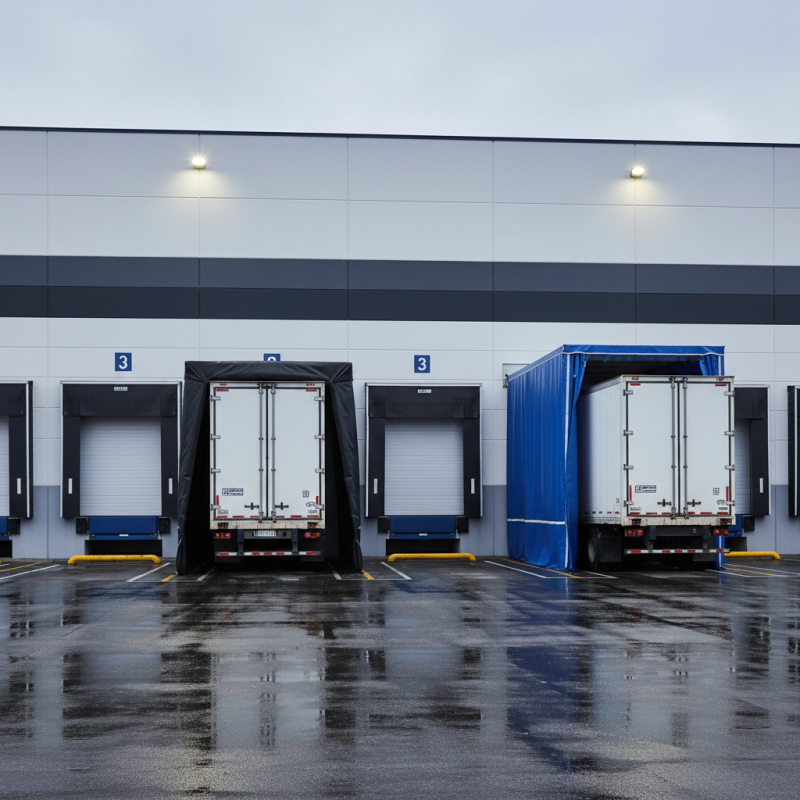
Dock seals are essential for creating a tight seal between a loading dock and incoming trucks. They help protect against temperature changes, dust, and pests. This flexibility allows for efficient loading and unloading, ensuring that goods arrive in optimal condition.
One significant benefit of dock seals is their ability to reduce energy costs. By minimizing air exchange, they help maintain temperature stability in warehouses. This feature can lead to significant savings over time. However, the effectiveness of a dock seal depends on proper installation and regular maintenance, which are often overlooked.
Another aspect to consider is the durability of dock seals. While they provide excellent protection, they can degrade over time due to continuous exposure to heavy equipment and weather. Regular assessment is essential to ensure they continue functioning effectively. Choosing the right solution requires careful thought and understanding of specific operational needs.
Dock shelters provide a flexible solution for loading bays. They are designed to create a shield between the interior of a warehouse and outdoor conditions. Typically made from durable materials, these shelters adapt to various truck sizes. This adaptability is crucial for operations with different vehicle heights.
One significant advantage of dock shelters is their ability to maintain temperature control. By reducing drafts and exposure, they help keep sensitive goods protected. This feature can be vital for food or pharmaceuticals, which require strict temperature regulations. Additionally, dock shelters can enhance safety. They reduce the risk of accidents by clearly delineating the loading area.
However, it's essential to regularly assess the condition of dock shelters. Wear and tear may compromise their effectiveness over time. Routine inspections can help identify potential issues before they escalate. Consideration of your specific operational needs is key. Not every facility will benefit equally from a dock shelter, so careful analysis is required.
Choosing between a dock seal and a dock shelter can be challenging. Both serve crucial roles in loading docks. Key factors influence this decision.
Consider the environment. Dock seals are best for enclosed spaces. They create a tight fit around trucks, minimizing air leaks. This is vital in maintaining temperature control. Conversely, dock shelters accommodate larger vehicles. They allow for flexibility in docking while providing decent protection against weather elements.
Think about the type of goods. If your operation involves sensitive products, dock seals might be preferable. They offer better insulation and pest control. However, if frequent truck changes occur, dock shelters might be a more practical option.
Evaluate the frequency of use and vehicle sizes. Both choices require careful consideration of functionality and operational efficiency. Reflect on the specific needs of your loading area.
When evaluating the best fit for your loading dock, understanding the specifications of dock seals and dock shelters is essential. According to the Material Handling Industry's recent report, companies experience about 16% of loading dock downtime due to equipment inefficiencies. This highlights the necessity of assessing your facility's unique requirements before making a decision.
Dock seals provide a tight fit around trucks, offering thermal insulation and preventing dust and debris infiltration. In contrast, dock shelters allow for more flexibility, accommodating trucks of various sizes but may sacrifice some thermal efficiency. A 2022 industry study found that warehouses using dock shelters increased operational efficiency by up to 20% during peak seasons. This suggests that flexibility can sometimes outweigh insulation needs, depending on the specific operational demands of the facility.
Facility layout also plays a crucial role in the decision-making process. Poorly designed dock spaces can lead to logistical challenges, impacting productivity. A recent survey indicated that nearly 30% of warehouses reported issues with truck alignment and space constraints. Therefore, it’s vital to reflect on the specific dimensions and usage patterns of your loading area. Understanding these aspects can lead to better choices in dock equipment.
When choosing between a dock seal and dock shelter, cost and maintenance are crucial factors. Dock seals generally have lower initial costs. They often require limited installation and can be customized to fit various dock sizes. However, maintenance can add up over time. Seals may need replacement sooner due to wear and tear. Factors such as climate, frequency of use, and loading practices affect their lifespan.
On the other hand, dock shelters typically have higher initial costs. They are more durable and can withstand harsh conditions better than seals. This durability could lead to lower maintenance costs in the long run. However, they require careful installation to ensure proper support. Misalignment can affect their effectiveness and cause early failure.
Both options have pros and cons. The decision often hinges on specific operational needs and budget limitations. Analyze the long-term costs versus short-term savings. A thorough assessment of ongoing maintenance will provide clarity. Balancing initial investment with future expenses is key to making a wise choice.
: Dock shelters create a barrier between warehouses and outdoor elements, allowing for efficient loading conditions.
They reduce drafts and protect sensitive goods, like food and pharmaceuticals, from temperature fluctuations.
They may not suit every facility. Evaluation of operational needs is important for effectiveness.
Regular inspections are necessary. Wear and tear can reduce their ability to function properly.
Dock seals provide tighter thermal insulation, while dock shelters offer more flexibility for various truck sizes.
Poor layout can lead to inefficiencies. Reflect on dimensions and usage patterns to prevent logistical issues.
Dock seals usually have lower initial costs but might require more frequent maintenance.
Assessing lifespan based on climate and usage can help determine future costs for both dock seals and shelters.
Shelters can increase operational efficiency, especially during peak seasons, sometimes by up to 20%.
Balance immediate costs with potential long-term expenses to ensure a smart investment that meets operational needs.
When considering how to choose between a dock seal and a dock shelter, it's essential to understand the distinct benefits and features of each option. Dock seals provide a tight closure around the truck, offering superior insulation and energy efficiency, while dock shelters offer flexibility and easier access, accommodating various truck heights and sizes.
Key factors to weigh include the specific needs of your facility, such as the volume of traffic, types of goods handled, and local climate conditions. Additionally, cost and maintenance considerations play a crucial role in the decision-making process. By thoroughly assessing these elements, businesses can make an informed choice that optimally aligns with their operational requirements.

Vistaro Door