When deciding how to choose between a dock seal and a dock shelter, it’s essential to understand the unique advantages of each option. According to industry expert Mark Johnson, "Choosing the right solution can improve efficiency and reduce costs in your loading area." Dock seals provide a tight seal against external elements, offering excellent energy efficiency. They are ideal for environments where temperature control is crucial.
On the other hand, dock shelters provide flexibility and ease of use. They allow for larger vehicles to enter without restriction. This feature can be highly beneficial in busy logistics operations, where speed is key. While dock seals offer superior insulation, dock shelters can adapt to various truck sizes.
Making the right choice involves evaluating your specific needs. Consider the nature of your products, typical vehicle sizes, and climate conditions. Remember, there isn’t a one-size-fits-all solution. Reflect on what your operation truly requires, and weigh the pros and cons accordingly. Finding the right match can significantly impact productivity and cost-efficiency.
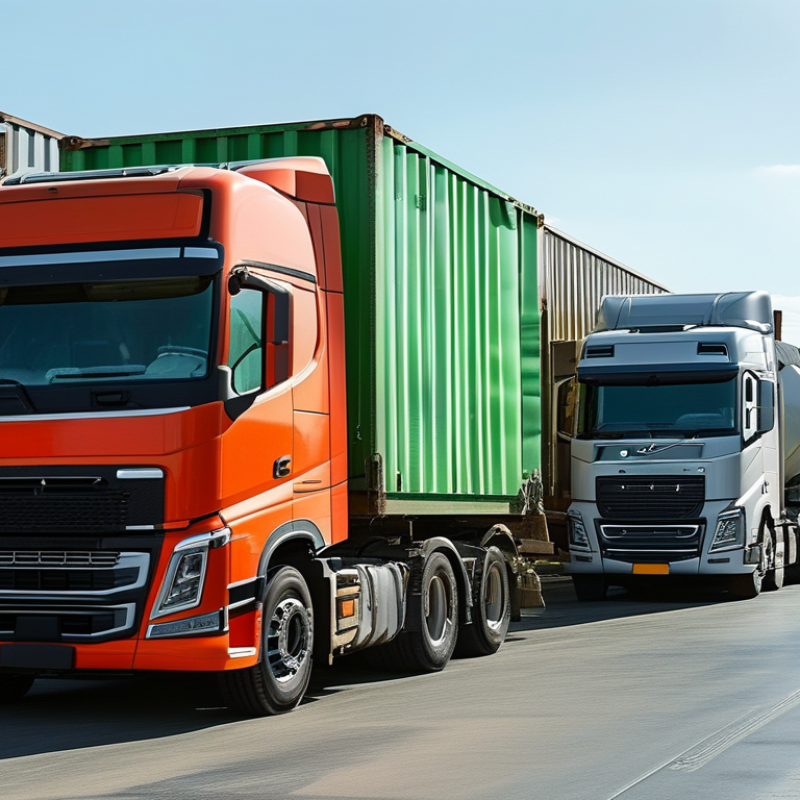
Understanding Dock Seals and Dock Shelters: Key Differences
Dock seals and dock shelters serve distinct purposes in loading dock environments. Dock seals create a tight fit against trailers, minimizing air and water ingress. They often use foam materials to compress against trailer surfaces. This compression offers superior insulation, which is vital for temperature-sensitive products. However, a seal might not accommodate all trailer sizes perfectly.
In contrast, dock shelters provide versatility. They allow for a range of trailer sizes and types. Shelters have flexible curtains that move as the trailer backs in. This ensures safer movements and easier loading. The open design promotes airflow, reducing humidity and maintaining comfort levels for dock workers. Still, this increased airflow might not suit all environments.
Choosing between the two depends on specific needs. In environments with temperature control requirements, dock seals might be more effective. Conversely, in areas needing flexibility for varying trailer sizes, dock shelters can be a better option. Assessing each option's benefits and limitations helps in making an informed decision.
Evaluating Your Environmental and Operational Needs
When choosing between dock seals and dock shelters, understanding your environmental and operational needs is essential. Dock seals provide a tighter barrier for temperature control, reducing energy costs by up to 30%. This is crucial for industries like food production, where maintaining temperature integrity is vital. However, if your operations involve frequent truck movements, dock shelters might offer greater flexibility. They allow trucks to dock at varying heights and widths, accommodating different vehicle sizes without compromising efficiency.
Consider your facility's layout and traffic patterns. Research indicates that improper sealing can result in air leaks, increasing heating and cooling costs by approximately 20%. Additionally, efficiency in loading and unloading is a critical factor. Dock seals generally support lower three-side access, providing a sealed environment. In contrast, dock shelters allow for easier maneuvering, ideal for busy distribution centers.
It is also essential to evaluate the durability and maintenance requirements of each option. Dock seals tend to wear faster in high-traffic situations, leading to increased replacement costs. In contrast, shelters may require more frequent inspections to ensure fabric integrity. Balancing these aspects with your operational demands can lead to a more informed decision, ultimately enhancing efficiency.
How to Choose Between Dock Seal and Dock Shelter: Evaluating Your Environmental and Operational Needs
Assessing Cost-Effectiveness for Your Dock Solutions
When considering dock solutions, cost-effectiveness is paramount. A recent industry report from the Warehousing Association indicates that dock seals can save up to 30% on energy costs compared to traditional openings. This makes them a viable option for businesses focused on reducing overhead expenses. Proper installation can significantly impact these savings. Poorly fitted dock seals can lead to air leaks, undermining energy savings and increasing heating costs.
Dock shelters present a different value proposition. They offer flexibility for various vehicle sizes. However, their initial investment is often higher than seals. Reports suggest that dock shelters can reduce loading and unloading time by 20%. This efficiency translates to lower labor costs over time, making them an attractive option for high-volume operations.
Nevertheless, the effectiveness of either solution depends on specific operational needs. Inadequate assessment may lead to decisions that do not align with a company’s workflow. For instance, businesses focused on high turnover should evaluate shelter options despite the higher costs. It is crucial to analyze both long-term savings and initial expenditures to determine the best fit for your operation.
Safety and Security Considerations in Dock Equipment Selection
When selecting dock equipment, safety and security should be top priorities. The choice between dock seals and dock shelters can significantly impact these factors. According to the Occupational Safety and Health Administration (OSHA), improper sealing can lead to accidents during loading and unloading processes. This highlights the importance of a secure loading environment. Dock seals create a tight barrier to keep out elements, reducing the risk of slips and falls.
Data from the National Institute for Occupational Safety and Health (NIOSH) suggests that docks with inadequate sealing can experience up to a 25% increase in workplace injuries. Dock shelters allow more flexibility and can accommodate various vehicle sizes, but they may not offer the same level of protection. In high-traffic areas, managing safety risks becomes crucial. The potential for loading mishaps increases without proper equipment that provides a secure fit.
Ensuring that your choice aligns with safety regulations is essential. Studies show that compliant dock equipment can decrease liability by as much as 30%. However, the reality remains that many facilities overlook the need for regular maintenance. Failing to inspect equipment can lead to unforeseen dangers. Regular assessments of dock seals and shelters are vital to maintain a safe operational environment. Continuous evaluation can help prevent costly incidents and ensure compliance with safety standards.
Maintenance and Longevity: Choosing the Right Option for You
When considering a dock seal or dock shelter, maintenance and longevity are key factors. Dock seals typically offer better insulation and create a tighter seal at loading docks. However, they can wear out from constant use. Regular checks can help extend their lifespan. Keep the surface clean and inspect for any damage routinely.
Dock shelters, on the other hand, have a more flexible design. They bend and adapt to varying truck sizes. Despite this adaptability, they may require more maintenance to ensure a good fit. Over time, wear can occur, especially with repeated use. It’s vital to inspect the frame and fabric to ensure they remain effective.
Understanding your specific needs is crucial. If your operations face heavy wear and tear, consider investing in more robust options. Analyze your loading patterns to make informed decisions. Choose a solution that balances longevity with your operational requirements. Regular maintenance can prevent costly repairs in the future.
How to Choose Between Dock Seal and Dock Shelter for Your Needs? - Maintenance and Longevity: Choosing the Right Option for You
| Feature |
Dock Seal |
Dock Shelter |
| Cost Efficiency |
Generally lower initial cost |
Higher initial cost but may offer long-term savings |
| Insulation |
Better for temperature control |
Less insulation, more airflow |
| Durability |
Moderately durable, subject to wear |
Highly durable, designed for heavy use |
| Maintenance |
Requires regular checks and repairs |
Less frequent maintenance needed |
| Flexibility |
Less flexible, stationary installation |
More flexible, accommodates different vehicle sizes |
| Protection against Elements |
Good protection from rain and wind |
Excellent protection from harsh weather |
Conclusion
When considering how to choose between a dock seal and a dock shelter, it's essential to understand the key differences between the two. Dock seals offer a snug fit against the truck or trailer, providing complete weather protection, making them ideal for environments with consistent traffic. In contrast, dock shelters allow for greater flexibility in accommodating various trailer sizes, offering ease of access and protection from the elements while enabling better airflow.
Evaluating your operational needs and environmental factors is crucial in making an informed decision. Additionally, cost-effectiveness should be assessed to ensure that your choice aligns with budgetary constraints while meeting safety and security standards. Lastly, consider maintenance requirements and the longevity of each option to select the best solution for your dock facilities, ensuring optimal functionality and durability over time.

 Vistaro Door