How to Effectively Clean and Lubricate Industrial Door Tracks?

Time:2026-05-22 Author:Amelia
0%

Industrial doors are crucial for operational efficiency in various settings. However, their performance can decline without proper maintenance. Understanding how to clean and lubricate industrial door tracks is essential for prolonging their lifespan. Recent industry reports indicate that over 30% of operational delays stem from door malfunctions. Regular maintenance keeps doors functioning smoothly, reducing downtime.

Cleaning and lubricating tracks is not merely a routine task. It requires adherence to best practices to ensure effectiveness. Industry experts recommend inspecting tracks every few months. This helps identify potential issues early. Neglecting this can lead to costly repairs and safety concerns. The statistics reveal that routine maintenance can extend equipment longevity by up to 25%.

Many still overlook the importance of track maintenance. This oversight often results in preventable issues. By learning how to clean and lubricate industrial door tracks, businesses can enhance safety and operational efficiency. The right techniques can make a significant difference, turning a basic maintenance task into a vital component of industrial operations.
How to Effectively Clean and Lubricate Industrial Door Tracks?

Understanding the Importance of Clean Industrial Door Tracks

Clean industrial door tracks play a crucial role in maintaining operational efficiency. Accumulated dirt, dust, and debris can hinder the smooth movement of doors. This can lead to unexpected breakdowns. Regular maintenance prevents costly repairs and downtimes. When tracks are clean, doors function better. This enhances safety and productivity.

Lubrication is equally important. A well-lubricated track reduces friction and wear. It ensures that doors glide smoothly. However, not all lubricants are suitable for every environment. Some may attract more dirt. Choosing the right product is essential. It’s worth reflecting on past experiences to ensure the best results.

Cleaning and lubricating should be a routine task. Set a schedule to check door tracks every few months. Companies often overlook this basic maintenance step. This oversight can result in larger issues down the line. Taking the time to care for door tracks can save money. It creates a safer and more efficient working environment.

Essential Tools and Materials for Cleaning and Lubricating Tracks

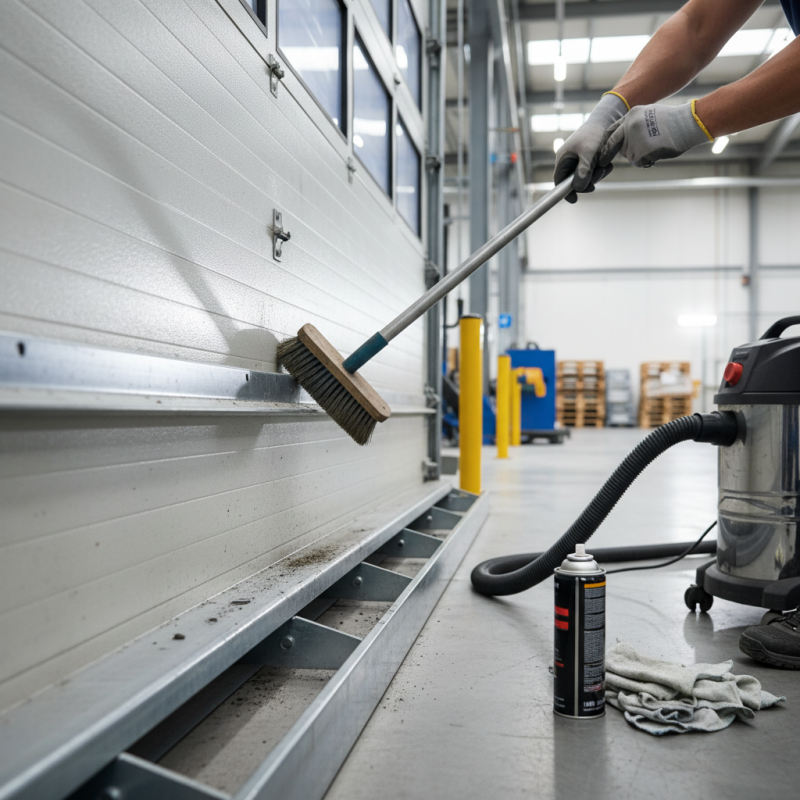
When cleaning and lubricating industrial door tracks, having the right tools and materials is crucial. A sturdy vacuum cleaner can remove debris effectively. A soft brush will help clear away dirt without damaging the track. Additionally, a damp cloth is necessary for wiping down surfaces. For lubrication, a quality lubricant is essential. Look for options that resist dust buildup. A precision applicator can help you apply lubricant exactly where it’s needed.

Safety gear should not be overlooked. Gloves protect your hands from grime, while eye protection prevents injuries from flying debris. Absorbent rags are helpful in managing any excess lubricant. A strong flashlight can illuminate dark spaces, ensuring you miss no corners. Inspecting the tracks as you clean provides valuable insight. Look for signs of wear or misalignment that may need attention.

It’s easy to overlook minor issues during cleaning. Small problems can escalate if neglected. Consider keeping a maintenance log to track changes over time. This practice helps ensure nothing is missed. Regular cleaning and lubrication can extend the life of industrial door tracks, improving their performance and safety. A consistent routine is key to effective maintenance.

How to Effectively Clean and Lubricate Industrial Door Tracks? - Essential Tools and Materials for Cleaning and Lubricating Tracks

Tool/Material Purpose Usage Instructions Safety Precautions
Vacuum Cleaner Remove dust and debris Use a crevice tool for hard-to-reach areas Ensure proper grounding to avoid static electricity
Cleaning Solution Dissolve grime and grease Apply with a cloth or sponge and scrub surfaces Wear gloves to protect skin
Wire Brush Scrape off rust and stubborn dirt Use light pressure to avoid damaging the track Wear eye protection to prevent metal shavings in eyes
Lubricant Spray Reduce friction and prevent rust Spray evenly along the track and moving parts Avoid inhalation and contact with skin
Lint-Free Cloth Wipe surfaces clean Use to apply cleaning solution and remove residue Dispose of used cloths safely

Step-by-Step Cleaning Process for Industrial Door Tracks

Cleaning industrial door tracks is crucial for operational efficiency. Dirt and debris can impede functionality and lead to costly repairs. Studies show that regular maintenance can enhance the lifespan of door systems by up to 30%.

Begin the cleaning process by thoroughly inspecting the tracks. Use a vacuum or compressed air to remove loose debris. For stubborn grime, a wire brush proves effective. Remember, excessive force can damage the track. Cleaning with solvents may leave a residue, so choose safe options. A mixture of warm soapy water or specialized cleaners is often adequate.

Lubrication follows cleaning. Use a proper lubricant to reduce friction. Consistency is key here; too much product can attract dust. Proper application can decrease wear and tear on components, according to industry experts. Regular maintenance schedules can prevent breakdowns, ensuring optimal performance. An annual review of track conditions can reveal underlying issues before they escalate. This proactive approach saves time and increases productivity.

Cleaning and Lubrication Frequency for Industrial Door Tracks

Applying Lubricants: Techniques for Optimal Performance

Applying lubricants to industrial door tracks is essential for maintaining optimal performance. A recent study highlighted that properly lubricated tracks can increase operational efficiency by up to 25%. Lubricants minimize friction and reduce wear on rollers, which prolongs the lifespan of the door systems. However, not all lubricants are created equal.

To apply lubricants effectively, start by cleaning the tracks thoroughly. Dust and debris must be removed first. After cleaning, use an appropriate lubricant that matches the environment. For instance, a silicone-based lubricant is often preferable in high-moisture areas. It is recommended to apply lubricants in a thin, even layer, ensuring all moving parts receive coverage. Regular inspections are necessary to identify any build-up or areas needing reapplication, as neglect can lead to performance issues and increased maintenance costs.

Despite these techniques, many industries still overlook track maintenance. A staggering 40% of industrial facilities report issues stemming from improper lubrication practices. It’s crucial to establish a routine that not only includes application but also checks on lubricant efficacy. This proactive approach can minimize unexpected downtime and enhance overall operation.

Safety Precautions During Cleaning and Lubrication of Door Tracks

Cleaning and lubricating industrial door tracks can enhance functionality and longevity. However, safety should be a primary concern during this process. Wearing personal protective equipment (PPE) is essential. Use gloves to protect your hands from chemicals. Safety goggles can shield your eyes from debris and cleaning agents. Ensure you have appropriate footwear, especially when working in slippery areas.

Tips: Always disconnect power to automated systems. This prevents accidents while cleaning. Also, maintain a tidy workspace to avoid tripping hazards. Clear away clutter before beginning.

After ensuring safety, inspect the door tracks for dirt and debris. Use a broom or vacuum for initial cleaning. A thorough check can reveal damage, which may require attention. While lubrication is necessary, avoid over-applying grease. Excess can attract dirt, leading to more frequent cleanings.

Tips: Regular maintenance can prevent costly repairs. Schedule cleanings every few months to keep tracks in top condition. Document any repairs or maintenance performed. This creates a reliable history for future reference.

FAQS

: Why are clean industrial door tracks important?

: Clean door tracks ensure smooth movement, enhancing operational efficiency and safety. They also prevent costly repairs.

How can lubrication affect door tracks?

Proper lubrication reduces friction and wear, prolonging the lifespan of door systems. It allows doors to glide smoothly.

How often should industrial door tracks be cleaned?

Tracks should be checked and cleaned every few months to avoid larger issues. Regular care is often overlooked.

What should be done before applying lubricants?

Clean the tracks thoroughly before applying lubricant. Dust and debris must be removed first for effective results.

Are all lubricants suitable for every environment?

No, some lubricants attract dirt. Choosing the right one is essential for the specific working environment.

What personal protective equipment (PPE) is recommended during maintenance?

Wear gloves, safety goggles, and appropriate footwear. This protects against chemicals and debris during cleaning.

What are the consequences of improper lubrication practices?

Neglected lubrication can lead to performance issues and increased maintenance costs, affecting operational efficiency.

What is essential to do before cleaning automated door systems?

Always disconnect power to prevent accidents during cleaning and maintenance processes.

How should excess grease be handled?

Avoid applying too much grease. Excess can attract dirt, requiring more frequent cleanings and maintenance.

Why is documenting maintenance actions important?

Keeping a reliable history of repairs and maintenance helps track performance over time and aids in future care.

Conclusion

Effectively cleaning and lubricating industrial door tracks is crucial for ensuring operational efficiency and extending the lifespan of the doors. Understanding the importance of clean tracks is the first step, as accumulated debris can hinder functionality and pose safety risks. To successfully clean and lubricate industrial door tracks, it's essential to gather the right tools and materials, which may include brushes, cleaning agents, and appropriate lubricants.

The cleaning process involves several steps, beginning with a thorough removal of dirt and grime, followed by the application of lubricant using techniques that promote optimal performance. Safety precautions should always be a priority during these tasks to prevent accidents and injuries. Thus, knowing how to clean and lubricate industrial door tracks not only enhances the performance of the doors but also contributes to a safer working environment.

Amelia

Amelia

Amelia is a seasoned marketing professional with a wealth of expertise in our company’s core offerings. With an unwavering passion for driving growth and innovation, she plays a pivotal role in shaping our marketing strategies and enhancing brand visibility. A key aspect of her responsibilities......