How to Find the Standard Commercial Loading Dock Height?

Time:2026-09-19 Author:Henry
0%

Choosing the right loading dock height affects safety, vehicle access, workflow, and long-term building costs. Many facility managers ask, “What is the standard height for a commercial loading dock?” In practice, the common range is approximately 48 to 52 inches above the driveway. A 48-inch dock often matches standard freight trailers and supports efficient loading with dock levelers.

However, no single height suits every commercial property. Fleet composition, trailer floor levels, delivery frequency, and local site conditions can change the recommended measurement. A warehouse serving smaller box trucks may need a lower dock. A distribution center handling mixed trailers may require adjustable equipment. The difference can be only a few inches, yet it can affect pallet movement and worker stability.

Small details matter.

This guide explains how professionals evaluate dock height before construction or renovation. It considers trailer dimensions, approach slopes, dock boards, levelers, drainage, and operating clearances. Manufacturer specifications and applicable building standards should support the final decision. Experienced contractors also measure vehicles that regularly visit the site, rather than relying only on typical dimensions.

The “standard” answer is useful, but incomplete. That assumption can fail. Older facilities may have uneven pavement, worn bumpers, or outdated dock equipment. A careful assessment should record the dock face, driveway elevation, trailer bed height, and expected load types. These measurements create a more reliable design foundation and help reduce costly modifications later. Always confirm the final design with a qualified structural or loading-dock professional.
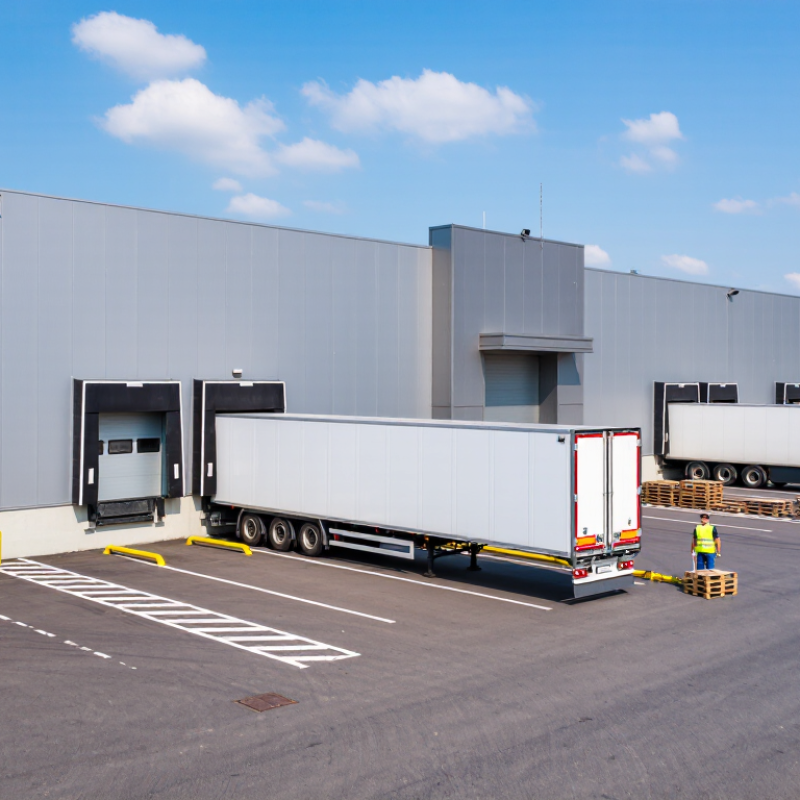
How to Find the Standard Commercial Loading Dock Height?

Define Standard Commercial Loading Dock Height

How to Find the Standard Commercial Loading Dock Height?

A standard commercial loading dock usually measures about 48 inches from the pavement to the dock floor. This height matches many highway trailers and supports efficient forklift movement. However, “standard” does not mean universal. Smaller delivery trucks may have deck heights near 42 inches, while refrigerated trailers can vary slightly.

Define Standard Commercial Loading Dock Height

The correct height depends on the vehicles serving the facility. Measure the truck bed, trailer floor, and pavement slope before setting the dock elevation. A difference of several inches can create a steep transition at the dock leveler. Small errors matter. The leveler must bridge the gap safely while supporting rated loads during loading.

Field measurements often reveal conditions that drawings miss. Uneven asphalt, drainage channels, and changing fleet sizes can affect the final decision. A facility receiving mixed vehicles may need an adjustable dock leveler or multiple dock elevations. That choice should follow a traffic study, not guesswork.

Building regulations, accessibility requirements, and workplace safety standards may also influence the design. Consult a qualified loading dock engineer and verify local requirements before construction. For many commercial sites, 48 inches is a practical reference point, not a fixed rule.

Measure twice. A cheaper design can become costly when every delivery requires extra handling.

Identify Factors That Determine the Correct Dock Height

How to Find the Standard Commercial Loading Dock Height?

A commercial dock is commonly designed around 48 to 52 inches above the yard. However, this range is only a starting point. ANSI MH30.1 planning guidance emphasizes matching dock equipment to vehicle and facility conditions, not copying a single standard dimension. Trailer floors often sit near 48 inches, while refrigerated trailers, straight trucks, and smaller delivery vehicles may sit much lower. Measure real vehicles first. Guesswork creates unsafe gaps.

Several factors determine the correct dock height. Review the fleet mix, trailer suspension, tire pressure, cargo weight, and approach slope. A heavily loaded trailer can change its deck elevation during loading. Yard drainage also matters. Water, ice, or uneven pavement can alter the effective height.

The dock leveler must cover the vertical difference without exceeding its rated capacity or operating range. OSHA requires dockboards to be secured against movement, but secure equipment cannot correct a poor height decision.

Safety deserves more attention than convenience. The U.S. Bureau of Labor Statistics reported 885 fatal workplace injuries involving falls, slips, and trips in 2023. That figure is not dock-specific, yet it shows why edge protection and controlled transitions matter. In practice, a 48-inch dock may suit a truck-heavy site but fail at a mixed-fleet warehouse. Recheck measurements during peak loading. One overlooked vehicle can expose the design’s weakness.

Measure the Dock, Trailer, and Loading Surface

Finding the standard commercial loading dock height starts with measuring, not guessing. Many facilities place the dock level roughly 48 to 52 inches above the yard. That range is only a reference. Older docks may vary several inches after resurfacing, settlement, or repairs. Use a steel tape, laser level, and notebook. Measure from the trailer approach surface to the top of the dock plate or concrete edge. Take readings at both corners and the center. Record every result.

Measure the trailer carefully. Park it on level ground, with brakes applied and wheels secured according to site procedures. Measure from pavement to the trailer floor at the rear opening. Check an empty trailer and a loaded trailer when practical. Cargo weight can lower the suspension. Air suspension may also shift after parking. Measure the floor, not the bumper or door threshold. Those parts can create a misleading match. Note floor damage, uneven pavement, and dock slope.

The loading surface includes the dock floor, plate, and trailer floor. Compare their elevations, then calculate the gap and vertical difference. A small mismatch can create a hard edge for pallet wheels. Check the dock plate’s rated capacity and position before moving equipment. A second person should verify the measurements. I once recorded the wrong reference point and nearly accepted a false result. Recheck after resurfacing, seasonal ground movement, or major trailer changes. Unusual heights deserve review from a qualified dock professional.

Compare Measurements With Common Dock Height Ranges

How to Find the Standard Commercial Loading Dock Height?

A standard commercial loading dock usually measures 48 to 52 inches above the pavement. This range matches many trailers and reduces transfer height at the dock edge. The Material Handling Industry’s dock planning guidance identifies 48 inches as a common design reference. However, a neat 48-inch answer can mislead.

Compare Measurements With Common Dock Height Ranges

Low-profile docks often measure 30 to 36 inches. They serve smaller trucks, step vans, and regional delivery vehicles. Standard docks usually range from 48 to 52 inches. High docks may reach 54 to 55 inches, especially where large trailers dominate. These figures reflect common planning ranges, not universal legal requirements. OSHA 29 CFR 1910.26 addresses dockboards and safe loading practices, but it does not prescribe one mandatory dock height.

Measure the pavement first. Then record the trailer bed height, not merely the vehicle’s advertised size. A loaded trailer may sit lower because of suspension compression. A 50-inch dock can therefore work well with one fleet and poorly with another.

Industry vehicle-dimension data from the North American Council for Freight Efficiency also shows meaningful variation among trailer types and operating conditions. That variation deserves attention. Designers sometimes overlook seasonal cargo changes, uneven yards, and older vehicles. A short site survey, including three to five typical trailers, can prevent an expensive mismatch.

Verify Safety, Equipment, and Site Requirements

How to Find the Standard Commercial Loading Dock Height?

Verify Safety, Equipment, and Site Requirements

A typical commercial loading dock stands about 48 to 52 inches above the yard. However, this range is only a starting point. Measure the average trailer bed height at your site, including refrigerated and low-profile vehicles. A difference of several inches can create a dangerous gap. Record the measurements during normal deliveries, not only under ideal conditions.

Check the dock leveler’s vertical range, rated capacity, and lip length. The equipment must bridge the trailer safely without overloading its hinges or edge. Confirm that forklifts have enough clearance beneath doors, ceilings, and sprinkler systems. The approach should remain level and free from standing water. Small details matter here. Poor lighting, damaged bumpers, or an unprotected dock edge can turn routine work into an incident.

Safety controls also need practical verification. Inspect wheel restraints, warning signals, guardrails, and emergency access points. Confirm that operators can see pedestrians before moving equipment. A qualified site engineer should review structural loads, drainage, and local workplace requirements. Do not rely on an old drawing. It may be wrong. During one inspection, a seemingly correct height failed because the yard had settled unevenly. Recheck the finished surface after construction, then document each measurement, test, and adjustment for future maintenance.

How to Find the Standard Commercial Loading Dock Height? - Verify Safety, Equipment, and Site Requirements

Data Dimension Typical or Recommended Value What It Means Verification Requirement
Standard dock height 48–52 in (1,219–1,321 mm) This is the common finished platform height for general commercial loading docks serving over-the-road trailers. Confirm the finished floor elevation against the actual truck fleet and the required dock leveler operating range.
Common design target Approximately 48 in (1,219 mm) A 48-inch dock is widely used where trailers and standard freight vehicles are expected to use the same dock position. Do not select this value without checking truck bed heights, cargo handling equipment, and local site constraints.
Lower dock application Approximately 42–48 in (1,067–1,219 mm) Lower platforms may be appropriate for facilities that regularly receive smaller trucks, straight trucks, or vehicles with lower cargo floors. Compare the dock height with the lowest truck bed and verify that the leveler does not exceed its safe operating limits.
High dock application Approximately 52–55 in (1,321–1,397 mm) Higher platforms may be used for specific trailer fleets or site layouts, but they can create excessive height differences for smaller vehicles. Provide a separate lower position, a suitable leveler, or another engineered solution when mixed vehicle types are expected.
Typical trailer bed height About 48–52 in (1,219–1,321 mm) Many standard trailers align within or near the common commercial dock range when the vehicle is properly positioned. Measure the actual trailer fleet under loaded and unloaded conditions because suspension, tire size, and cargo weight can change the deck elevation.
Typical straight-truck bed height About 42–48 in (1,067–1,219 mm) Straight trucks and smaller delivery vehicles often have lower cargo floors than standard trailers. Review delivery records and vehicle specifications before using a single dock height for mixed traffic.
Dock leveler function Bridge the vertical gap A dock leveler creates a transition between the facility floor and the vehicle bed while accommodating normal height differences. Select capacity, lip length, travel range, and platform size based on vehicle conditions and material-handling equipment.
Dock leveler capacity Rated above the heaviest rolling load The rating must account for the combined load of the forklift or pallet truck, operator, pallet, and goods moving across the leveler. Use the manufacturer’s rated capacity and applicable safety requirements; never rely only on the weight of the cargo.
Dock approach slope Keep as low as practical A steep approach can reduce traction, increase stopping distance, and make trailer access difficult for powered equipment. Have the approach graded and reviewed by a qualified design professional, especially where drainage or restricted site space is involved.
Dock door clearance Sized for the vehicle and cargo Door height and width must allow the intended vehicles, loading equipment, and cargo to pass without contact or obstruction. Verify clear opening dimensions rather than relying on nominal door size; account for seals, bumpers, lights, and structural framing.
Dock position width Typically about 12 ft (3.66 m) per position Around 12 feet is commonly used as a planning dimension for a single dock bay, although the required width varies by vehicle and maneuvering pattern. Confirm the layout using turning paths, trailer swing, adjacent doors, columns, guardrails, and local fire-access requirements.
Dock bumper projection Commonly about 4–5 in (102–127 mm) Bumpers protect the building face by creating a controlled contact point between the vehicle and the dock structure. Check bumper projection, compression, mounting strength, and replacement condition to maintain the intended vehicle stand-off distance.
Vehicle restraint Required where unintended movement is possible A restraint helps prevent trailer separation or movement during loading and unloading. Coordinate the restraint with wheel chocks, trailer communication procedures, warning signals, and site operating rules.
Dock edge protection Use barriers, guards, or visual markings Unoccupied dock edges present a fall hazard for pedestrians and powered equipment. Protect exposed edges and provide high-visibility markings in accordance with applicable workplace and building-safety requirements.
Dock lighting Uniform illumination without glare Lighting should make the trailer interior, dock edge, leveler, and floor conditions clearly visible. Inspect lighting during both day and night operations and correct shadows, glare, damaged fixtures, and blocked views.
Floor and slab condition Structurally adequate for concentrated loads Forklifts and other equipment impose concentrated wheel loads that can exceed ordinary pedestrian-floor demands. Verify slab thickness, reinforcement, joints, drainage, surface condition, and load capacity with a qualified professional.
Weather protection Canopy, shelter, or dock seal as required Protection from rain, snow, wind, and temperature extremes improves safety and helps protect goods during transfer. Check clearance, drainage, fire access, vehicle compatibility, and the effect of the enclosure on visibility and ventilation.
Final height selection Based on the lowest and highest regular vehicle beds The best dock height is not determined by a single universal number; it must match the site’s actual operating conditions. Document vehicle measurements, equipment dimensions, loading volumes, seasonal conditions, accessibility needs, and applicable codes before construction.
Planning note: The values above are general commercial planning ranges, not a substitute for a site-specific engineering review. Final dock height and equipment selection should be confirmed using actual vehicle measurements, rated equipment limits, local building and safety regulations, and the facility’s operating procedures.

FAQS

What is the typical commercial loading dock height?

A common dock height is about 48 inches above the pavement. Many facilities use a range between 48 and 52 inches. It is not universal.

Why can a 48-inch dock height be unsuitable?

Smaller delivery trucks may have deck heights near 42 inches. Refrigerated trailers and loaded vehicles can sit at different elevations. One fixed height may create a steep transition.

What are common low and high dock height ranges?

Low-profile docks often measure 30 to 36 inches. Standard docks usually measure 48 to 52 inches. High docks may reach 54 to 55 inches.

Which measurements should be taken before choosing dock height?

Measure the pavement, trailer floor, truck bed, and approach slope. Check several active vehicles, not only manufacturer specifications. Three to five typical trailers can reveal useful differences.

How does cargo weight affect dock height?

A heavily loaded trailer may compress its suspension. Its floor can sit lower during loading. That small change matters.

How can yard conditions change the correct dock height?

Uneven asphalt, drainage channels, water, and ice can alter the effective height. Seasonal conditions may create different loading transitions. A level yard drawing may miss these problems.

What equipment helps when a facility receives mixed vehicle types?

An adjustable dock leveler can bridge different trailer floor heights. Some facilities may require multiple dock elevations. The decision should follow vehicle and traffic measurements.

What safety points should be checked at a loading dock?

The leveler must stay within its rated capacity and operating range. Dockboards need secure movement control during loading. Protect exposed edges and avoid sudden height changes.

Can a cheaper dock design create later problems?

Yes. A mismatched height can require extra handling at every delivery. It may also increase transition risks and slow forklift movement. The cheaper choice may be costly.

Conclusion

Finding the right commercial loading dock height starts with understanding that there is no single measurement suitable for every facility. What is the standard height for a commercial loading dock? In many operations, dock platforms are designed to align with common trailer floors, but the correct height depends on the types of vehicles, cargo, loading equipment, building design, and site conditions. A careful evaluation should consider both current needs and future delivery requirements.

To determine the proper height, measure the dock surface, trailer floor, and loading area accurately, then compare the results with commonly used dock height ranges. Any difference should be assessed in relation to ramps, dock levelers, forklifts, and other handling equipment. Safety clearances, drainage, pavement level, door dimensions, and access for workers must also be verified. A suitable dock height should support smooth transfers, reduce gaps and steep transitions, protect cargo, and allow equipment to operate safely and efficiently.

Henry

Henry

Henry is a dedicated marketing professional with a profound expertise in the company's offerings. With years of experience in the industry, he possesses an impressive understanding of the market dynamics and consumer behaviors that drive success. Henry is committed to sharing his insights through......