In recent years, the adoption of high-speed doors has noticeably increased across various industries. Many facilities are looking for efficiency. High-speed doors offer benefits that traditional rolling doors simply cannot match. But why are high-speed doors better than traditional rolling doors?
Industry reports indicate that high-speed doors can improve energy efficiency by up to 40%. This is crucial in reducing heating and cooling costs in warehouses and manufacturing facilities. High-speed doors also enhance workflow by enabling quicker access compared to their traditional counterparts. They can open and close in as little as one to three seconds. The increased speed minimizes the time that doors remain open and reduces the chances of accidents.
Moreover, high-speed doors often have better insulation properties. A study by a leading insulation company underscores this advantage, noting that optimal insulation can save businesses more than 30% on energy costs annually. Yet, despite these clear benefits, some businesses remain hesitant. Factors such as initial costs and installation times play a role in their decision-making process. Balancing immediate budget concerns with long-term savings is crucial for informed choices in door systems.
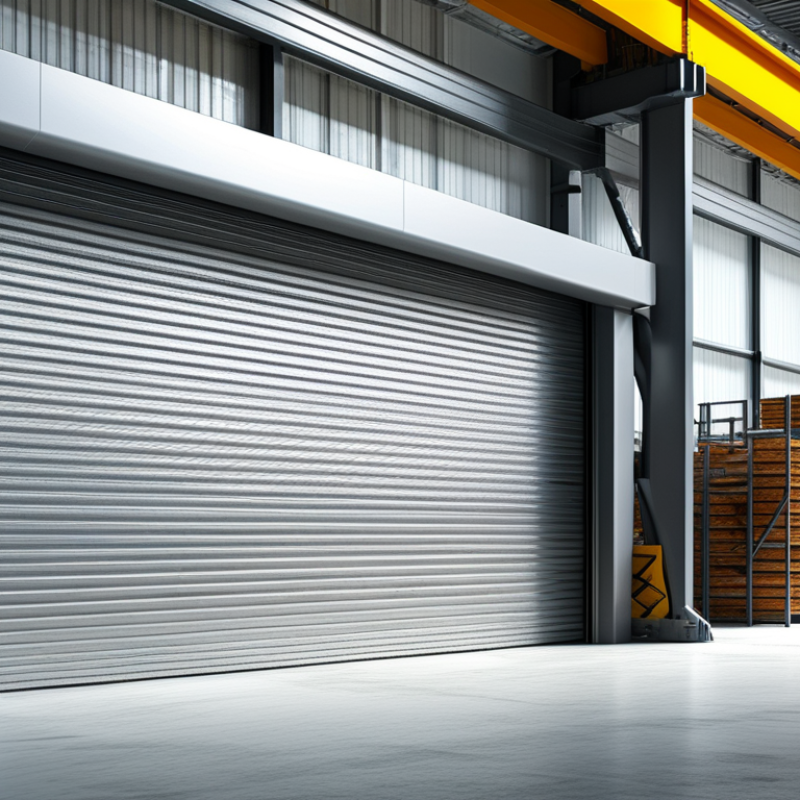
Advantages of High Speed Doors Over Traditional Rolling Doors in Commercial Spaces
High-speed doors have gained popularity in commercial spaces for several compelling reasons. Their rapid opening and closing times lead to increased efficiency. Traditional rolling doors often leave gaps, allowing drafts and pests to enter. In contrast, high-speed doors create a tight seal, enhancing climate control and energy efficiency.
A notable advantage is safety. High-speed doors are designed with sensors that detect obstacles, minimizing the risk of accidents. This feature is especially valuable in busy environments like warehouses and manufacturing facilities. Reduced wear and tear on these doors can also extend their lifespan.
Tips: Ensure your high-speed door has regular maintenance checks. This practice can prevent unexpected failures. Consider noise levels when choosing a door type; some high-speed models operate more quietly than traditional ones. This can improve workplace comfort. Finally, examine the space requirements. High-speed doors need specific dimensions, so measure carefully before installation. They might not fit every space as easily as traditional doors.
Embracing high-speed doors can dramatically change workflow and safety in commercial settings. However, evaluation of specific needs is crucial before making a decision. Each facility has unique challenges that could influence the choice between high-speed and traditional options.
Impact of High Speed Doors on Energy Efficiency and Temperature Control
High speed doors offer remarkable benefits over traditional rolling doors, particularly in energy efficiency and temperature control. These doors can open and close at much faster rates, minimizing the amount of time they remain open. This feature helps to reduce air exchange, thereby maintaining stable indoor temperatures. In environments like warehouses, where temperature control is essential, high-speed doors can lead to substantial energy savings.
Moreover, the design of high-speed doors often incorporates insulated materials. This insulation further aids in reducing heating and cooling costs. Unlike traditional doors, which may allow drafts, high-speed doors create a tighter seal. They can also reduce the load on HVAC systems, making them more efficient.
However, implementing high-speed doors can require an upfront investment, which may not be feasible for every business. Some facilities might face installation challenges or additional maintenance. Evaluating these factors is crucial. Balancing the benefits of energy savings with initial costs is vital for decision-makers. Ultimately, high-speed doors can enhance comfort and operational efficiency, benefiting many sectors.
Safety Features: How High Speed Doors Minimize Workplace Hazards
High-speed doors are becoming essential in various industries due to their impressive safety features. Unlike traditional rolling doors, high-speed doors open and close at remarkable speeds, reducing the risk of accidents. According to the National Safety Council, workplace injuries can cost companies over $161 billion annually. Implementing high-speed doors can help mitigate these costs significantly.
The quick operation of high-speed doors minimizes the time personnel spend in hazardous zones. Their design often includes safety sensors and anti-pinch technology, which further protects workers. A 2021 report from the Occupational Safety and Health Administration noted that facilities with advanced door systems reported a 30% decrease in accident rates. Moreover, these doors enhance visibility for both pedestrians and vehicles, making it easier to navigate high-traffic areas.
While these doors offer significant benefits, their initial installation costs can be a hurdle. Maintenance is also crucial, as neglect can lead to malfunctions and increase risks. A proactive approach is necessary to ensure optimal performance. Regular inspections and updates can prevent potential hazards and ensure the high-speed door operates safely and effectively.
Durability Comparison: High Speed Doors vs. Traditional Rolling Doors
High speed doors and traditional rolling doors offer different levels of durability. High speed doors feature advanced materials that withstand harsh conditions. They are designed to resist impacts and abrasions, making them ideal for high-traffic areas. In environments such as warehouses or food processing facilities, these doors show superior longevity. They can operate efficiently even in extreme temperatures and moisture.
On the other hand, traditional rolling doors may struggle over time. Frequent use can lead to wear and tear. The mechanical components in these doors require regular maintenance. This can become costly and time-consuming. High speed doors, however, often require less upkeep. Their robust construction means fewer repairs are needed.
Despite their benefits, high speed doors are not without flaws. Initial installation costs can be higher. Some facilities may face compatibility issues with existing structures. It’s important to assess your specific needs before choosing. Both high speed and traditional options have their place in the market. Understanding their differences can lead to better long-term decisions.
Cost-Benefit Analysis: Long-Term Savings with High Speed Door Installation
High-speed doors have become a popular choice for businesses that prioritize efficiency and safety. A report from the International Door Association reveals that these doors can open up to 10 times faster than traditional rolling doors. This speed reduces wait times for vehicles and personnel, enhancing workflow and productivity. For warehouses, this can lead to impressive time savings, as employees spend less time waiting for doors to open or close.
From a cost-benefit perspective, the long-term savings associated with high-speed doors can be substantial. According to a study published by the Door and Access Systems Manufacturers Association, facilities that installed high-speed doors saw energy costs decrease by about 30%. The insulated features of these doors help maintain temperature control, reducing heating and cooling expenses. Additionally, high-speed doors are less prone to wear and tear, leading to fewer maintenance costs.
While initial installation costs for high-speed doors may be higher, the return on investment often justifies this expense. Many companies recoup their costs within a few years due to reduced operational delays and energy savings. However, careful consideration of specific operational needs and potential drawbacks is essential. Not all facilities may find high-speed doors suitable, depending on their layout and operational flow. Evaluating these factors is crucial before making any decisions.
FAQS
: High-speed doors open and close rapidly, enhancing efficiency and climate control. They create a tight seal, blocking drafts and pests.
They are equipped with sensors to detect obstacles, reducing accident risks. Their quick operation minimizes time spent in hazardous areas.
Yes, reduced wear and tear can lead to a longer lifespan for high-speed doors. Regular maintenance helps with this as well.
Space requirements are crucial. Measure carefully, as high-speed doors might not fit every area as easily as traditional doors.
Some high-speed models operate more quietly, improving workplace comfort. Noise levels are an important factor to consider.
Regular checks are essential to prevent unexpected failures. Neglect can lead to malfunctions and increased safety risks.
They help reduce accidents, with reports showing a 30% decrease in injury rates where advanced door systems are in use.
The installation costs can be higher than traditional doors. However, they may lead to long-term savings by reducing workplace injuries.
Not necessarily. Each facility has unique requirements that could influence the decision between high-speed and traditional doors.
It's a safety feature in high-speed doors that prevents fingers or objects from getting caught when the door is closing.
Conclusion
High speed doors have gained significant attention in commercial spaces due to their numerous advantages over traditional rolling doors. One of the primary reasons why high speed doors are better than traditional rolling doors is their impact on energy efficiency and temperature control. By minimizing the time the door is open, high speed doors effectively reduce energy loss and help maintain optimal indoor temperatures, contributing to lower heating and cooling costs.
Additionally, high speed doors are designed with enhanced safety features that minimize workplace hazards, such as accidental injuries and collisions. When comparing durability, high speed doors typically outperform traditional rolling doors in terms of resistance to wear and tear. Lastly, a cost-benefit analysis reveals that while the initial investment in high speed doors may be higher, the long-term savings in energy costs and maintenance make them a more economical choice for businesses in the long run.

 Vistaro Door