In today's economy, energy efficiency is crucial for warehouse operations. Understanding **how to insulate a warehouse door for energy savings** is a top concern for many business owners. According to Mark Smith, a leading expert in industrial insulation, “Proper insulation can significantly reduce heating costs.” His statement reflects a growing trend among warehouses seeking to optimize energy usage.
Insulating warehouse doors is not just about saving money; it's about sustainability. A well-insulated door can stop cold drafts and prevent heat loss. This leads to a stable indoor temperature and saves on energy bills. However, many warehouses overlook door insulation, resulting in wasted resources.
Every warehouse is different. Factors like door type and building materials need careful consideration. Inadequate insulation may lead to frustrating temperature fluctuations and increased costs. It’s essential to assess specific needs. Investing in quality insulation is not merely a choice; it’s a necessity for energy efficiency. The impact of a well-insulated door extends beyond savings — it contributes to a healthier environment.
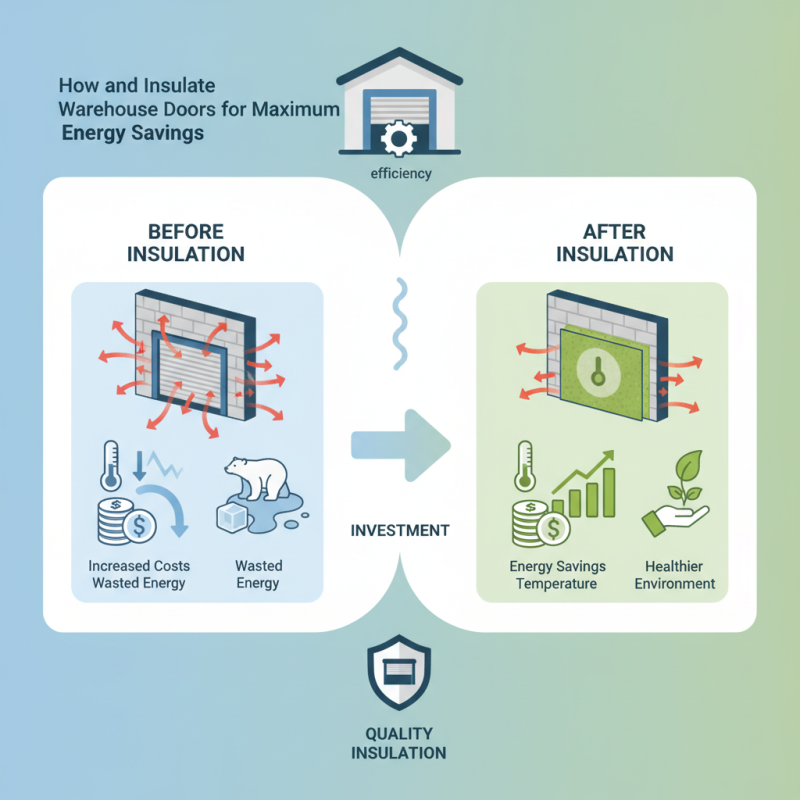
Insulating warehouse doors is crucial for energy efficiency. Poorly insulated doors allow heat to escape in winter and heat to enter in summer. This leads to increased energy costs and inconsistent indoor temperatures. By choosing the right insulation materials, you can significantly improve energy savings. Consider using rigid foam boards or insulated panels. These materials create a thermal barrier that minimizes energy loss.
Proper installation is key when insulating warehouse doors. Gaps between panels can reduce effectiveness. It’s vital to seal these gaps to maximize energy savings. A small oversight here can lead to larger heating and cooling expenses over time. Regular inspections and maintenance will ensure insulation remains intact and effective.
While insulating all warehouse doors may seem like a daunting task, even partial insulation can yield savings. Reflect on your specific needs and challenges. Every warehouse is different, and there is no one-size-fits-all solution. Explore various insulation strategies that align with your operational goals, and remember that every detail counts. Small investments in insulation can lead to significant long-term benefits.
When considering insulation materials for warehouse doors, it’s crucial to evaluate the pros and cons of various options available. Fiberglass insulation is widely used due to its affordability and effective thermal performance. According to the U.S. Department of Energy, fiberglass can provide an R-value of 2.9 to 4.3 per inch. This means it can significantly lower heating and cooling costs. However, installation can be challenging, and it may require professional help.
Another popular choice is foam board insulation. It offers higher R-values, ranging from 3.8 to 6.5 per inch, which enhances energy efficiency. Its rigid structure also provides additional durability against impacts. Yet, it may not be as eco-friendly as other materials. Some studies report that foam board insulation contributes to environmental waste issues.
Reflective insulation, often used in combination with other materials, can be a good option in warehouses. It works by reflecting radiant heat, which can lead to energy savings. Though effective, the optimal performance depends on proper installation. Poorly executed methods can reduce the benefits. Each insulation type presents unique challenges that must be critically assessed. Balancing cost, effectiveness, and environmental impact is key in choosing the right material.
| Insulation Material | Pros | Cons |
|---|---|---|
| Polyurethane Foam | High insulation value and energy efficiency. | Higher initial cost compared to other materials. |
| Polystyrene Sheets | Cost-effective and easy to install. | Lower insulation value than polyurethane. |
| Fiberglass Batts | Fire resistant and affordable. | Requires a vapor barrier and can irritate skin. |
| Reflective Insulation | Great for radiant heat and lightweight. | Less effective in cold climates. |
| Spray Foam | Excellent air sealing properties. | Requires professional installation and can be expensive. |
Properly insulating warehouse doors can lead to significant energy savings. Studies show that up to 30% of a building's heating and cooling costs come from uninsulated openings. In warehouses, where doors frequently open and close, thermal loss can be substantial. Insulating these doors minimizes temperature fluctuations, reducing reliance on HVAC systems.
Calculating potential energy savings begins with understanding local energy rates. For instance, if heating costs average $1.00 per therm, insulating a 10,000 square foot warehouse could save $5,000 annually. According to the Department of Energy, buildings with insulated garage and loading doors can save an additional 20-30% more energy. These statistics highlight the importance of investing in insulated doors, not just for comfort but for cost efficiency.
It's essential to assess insulation quality and material selection. Reflective insulation may perform differently than foam board or fiberglass options. The ideal choice often depends on specific warehouse conditions. Insulation installation should be checked regularly for wear and tear. Small gaps or damages can negate energy savings. Reflecting on these factors can help warehouse managers maximize their investment in insulation.
When it comes to insulating warehouse doors, proper installation is crucial for maximizing energy savings. Choose the right insulation material, such as rigid foam boards or reflective barriers, based on your warehouse needs. Ensure the materials fit snugly against the doorframe. Gaps can lead to air leaks, significantly undermining energy efficiency. Even small openings can cause drafts and raise energy costs.
Taking measurements accurately before installation is essential. Carefully evaluate the door size and condition. Check for damages that might allow heat exchange. Sealing these gaps with weather stripping or caulk can further enhance insulation effectiveness. Use appropriate tools for installation to prevent any damage. Mistakes during installation can lead to costly setbacks.
Always test the insulated doors after installation. Monitor their performance over time. Look for signs of wear or inefficiency. This reflection allows for adjustments or repairs to maintain energy savings. A well-insulated warehouse door not only improves comfort but also contributes to lower energy bills. Make sure to consider regular maintenance, as it preserves the longevity of insulation.
Maintaining insulation in warehouse doors is crucial for energy savings. Regular checks and upkeep can prevent energy loss. Start by inspecting seals and gaskets. Over time, they may wear out or become damaged. Replace these components promptly to ensure proper sealing.
Keep your doors clean. Dirt and grime can affect their performance. Use appropriate cleaning agents to avoid harming the insulation material. If you notice any cracks or gaps, use insulation foam or tape for a quick fix.
Consider seasonal adjustments. In colder months, ensure your doors shut tightly. This simple step can significantly enhance insulation effectiveness. Always monitor energy bills for unusual spikes. If you see a significant increase, it might indicate insulation issues. Regular maintenance can lead to long-term savings and efficiency.
: Insulating doors prevents heat escape in winter and entry in summer, reducing energy costs.
Rigid foam boards and insulated panels create a thermal barrier for better energy savings.
Gaps reduce effectiveness, leading to higher heating and cooling expenses over time.
No, even partial insulation can yield savings based on specific needs and challenges.
Fiberglass is affordable and offers effective thermal performance but can be difficult to install.
While durable and effective, foam board insulation can contribute to environmental waste issues.
Regularly check seals, clean doors, and fix gaps to preserve insulation effectiveness.
It prevents energy loss and ensures optimal performance over time, leading to savings.
Unusual spikes in energy bills may suggest insulation problems needing attention.
Yes, ensuring doors shut tightly in colder months boosts insulation effectiveness significantly.
Insulating warehouse doors is crucial for maximizing energy savings and enhancing overall energy efficiency. Proper insulation helps maintain consistent temperatures within the warehouse, reducing heating and cooling costs. Various insulation materials, each with their pros and cons, can be considered for this purpose. Understanding these options allows businesses to choose the best fit based on their specific needs.
To effectively insulate a warehouse door for energy savings, it's important to calculate potential energy savings and follow best practices during installation. Additionally, ongoing maintenance is key to preserving insulation effectiveness over time, ensuring that the investment continues to yield benefits. By focusing on these aspects, warehouse operators can significantly improve energy efficiency and reduce operational costs.

Vistaro Door