How to Insulate Warehouse Doors for Maximum Energy Efficiency?

Time:2026-09-04 Author:Henry
0%

Insulating warehouse doors is crucial for energy efficiency. John Stevens, a leading expert in industrial insulation, emphasizes this need. He states, "Proper insulation creates significant energy savings." Businesses can reduce energy costs by insulating their doors effectively.

A poorly insulated door can lead to unwanted heat loss. This means higher energy bills and uncomfortable working conditions. Adequate insulation stops drafts and maintains a stable indoor climate. Understanding how to insulate a warehouse door for energy savings involves using the right materials and techniques.

Choosing high-quality insulation products is essential. However, many overlook the importance of proper installation. Imperfect installation can compromise energy savings. Reviewing insulation methods regularly is vital for achieving optimal results. Businesses must remain diligent to maximize their energy efficiency efforts.
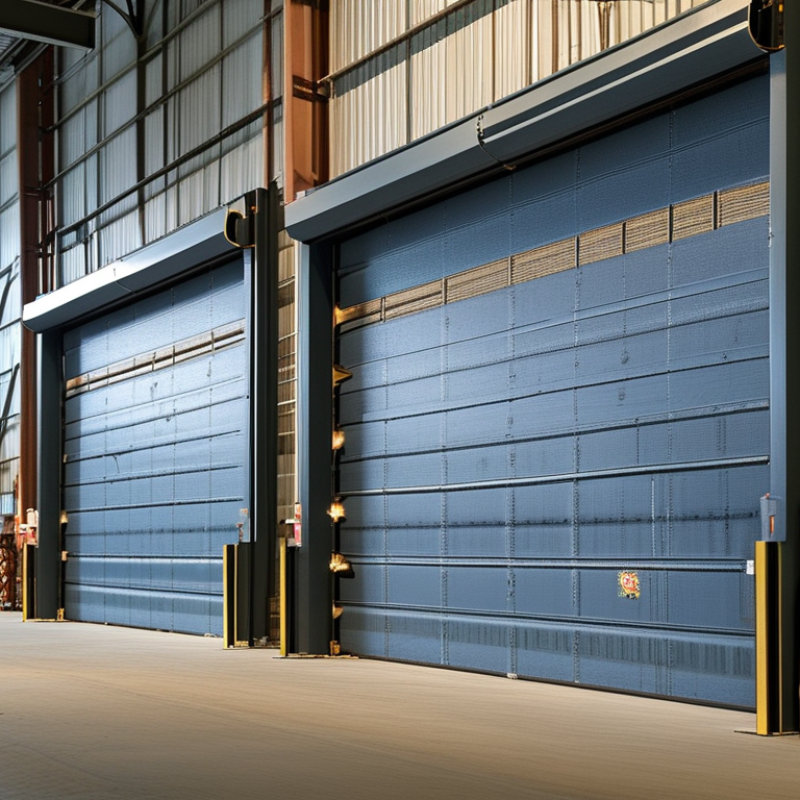
How to Insulate Warehouse Doors for Maximum Energy Efficiency?

Types of Insulation Materials Suitable for Warehouse Doors

When insulating warehouse doors, choosing the right materials is crucial for energy efficiency. Common options include fiberglass, polystyrene, and polyurethane. Fiberglass insulation is popular for its cost-effectiveness and versatility. It offers an R-value of around 2.9 to 4.3 per inch, which is beneficial for maintaining temperature control.

Polystyrene insulation, on the other hand, boasts a higher R-value, typically ranging from 3.8 to 5.0 per inch. This material is excellent for moisture resistance, which can be vital in certain warehouse environments. The rigid panels can also fit snugly, preventing air leaks that often compromise energy savings.

Polyurethane is another strong contender. It provides an impressive R-value between 5.8 to 6.5 per inch. This high-performance option is ideal for warehouses that require superior thermal insulation. However, while it offers great insulating properties, its cost can be a hindrance for some facilities. An analysis shows that warehouses can lose up to 30% of their energy through uninsulated doors. Balancing insulation choice with budget, overall efficiency is essential for optimizing energy use.

Assessing Current Energy Efficiency of Your Warehouse Doors

Assessing the energy efficiency of your warehouse doors is the first step toward enhancing overall performance. Begin by inspecting the door's insulation. Look for cracks or gaps where air may escape. An energy audit can help identify hidden issues. You might be surprised by how much energy loss occurs through poorly insulated doors. This assessment is vital for understanding current heat retention.

Next, consider the materials used in your doors. Are they outdated or damaged? This can significantly affect energy costs. Reviewing the door's age and condition can provide insights. Verify if the seals are intact. Testing the fit and functionality of your doors can reveal potential leaks. This process often uncovers overlooked areas that need improvement.

Energy efficiency is not just about the materials. Regular maintenance is essential. Schedule inspections periodically. Preventative measures can save money in the long run. Emphasizing the importance of these evaluations will lead to more informed decisions. Consider the implications of ignoring these steps. Small improvements can lead to significant energy savings over time.

Steps to Properly Insulate Warehouse Doors

Insulating warehouse doors effectively is crucial for energy efficiency. Studies show that up to 30% of heating and cooling energy can escape through poorly insulated doors. A proper insulation solution can significantly reduce energy bills. Begin by evaluating the condition of existing doors. Identify any gaps or areas where air leakage occurs. Using weatherstripping and seals can address many small issues.

Next, consider adding insulation panels. Polystyrene or polyurethane panels are excellent choices. They offer high R-values, meaning better thermal resistance. According to the U.S. Department of Energy, for every inch of foam board insulation, you can achieve an R-value of about 7. To enhance the effectiveness, ensure the panels tightly fit the door frame. Fasten them securely to prevent shifting or detachment.

Lastly, reflect on the potential need for upgrades. Old doors may require replacement rather than just insulation. Choose doors designed for energy efficiency. They may initially be more expensive, yet they often result in long-term savings. Regularly check the insulation's condition and perform maintenance. This proactive approach maintains energy efficiency and prolongs door life.

Insulation Effectiveness of Different Materials for Warehouse Doors

Maintenance Tips for Insulated Warehouse Doors

Maintaining insulated warehouse doors is crucial for energy efficiency. Regular inspections can identify wear and tear. Look for gaps around the seals. These small openings can lead to substantial energy loss over time. In cold weather, frost can form if seals are compromised. This not only affects efficiency but may damage the door mechanism.

Cleaning is another vital aspect of maintenance. Dirt and debris can obstruct the door's functionality. Use a mild detergent and water to clean the surfaces regularly. Pay attention to tracks and rollers to ensure smooth operation. Lubricate moving parts periodically to prevent corrosion.

Consider the insulation material. Some materials may degrade faster than others in harsh conditions. While many doors are built to last, a yearly assessment will catch potential issues early. Don't hesitate to consult a professional if you notice significant wear. Addressing problems early can save on costly repairs later. Stay proactive about maintenance to maximize energy efficiency.

How to Insulate Warehouse Doors for Maximum Energy Efficiency? - Maintenance Tips for Insulated Warehouse Doors

Insulation Material R-Value Cost per Square Foot Maintenance Tips
Polyurethane Foam 6-7 $1.50 Inspect for wear and tear. Repair any cracks or damage immediately.
Fiberglass Batts 3-4 $0.90 Keep dry and free from dust. Replace if sagging or damp.
Reflective Insulation 2-3 $0.70 Ensure dust-free surfaces for maximum efficiency. Check seals periodically.
Polystyrene Sheets 4-5 $1.20 Monitor for moisture damage and replace as needed.
Spray Foam 4-6 $2.00 Inspect for gaps, reapply if necessary. Avoid exposure to extreme temperatures.

Benefits of Insulating Warehouse Doors for Cost Savings

Insulating warehouse doors can lead to significant cost savings. According to the Department of Energy, an insulated door can reduce energy consumption by nearly 25%. This decrease translates into lower heating and cooling costs. For large warehouses, these savings accumulate quickly. Insulation can also create a more stable interior climate, which is essential for protecting sensitive inventory.

Another benefit of insulation is improved comfort for employees. Cold drafts or hot spots can make working conditions uncomfortable. An insulated door minimizes these temperature fluctuations, making the workspace more pleasant. Studies show that employee productivity can increase by 10% in more stable environments.

Insulation not only enhances energy efficiency but also contributes to sustainability. Reduced energy consumption lowers the carbon footprint of a warehouse. However, not all insulation options are equal. Selecting high-quality materials is crucial. Poor insulation could lead to regret down the line, wasting both money and energy. Therefore, careful consideration is necessary when designing an insulation strategy for warehouse doors.

FAQS

: Why is insulating warehouse doors important?

: Proper insulation improves energy efficiency and reduces heating and cooling losses. Up to 30% of energy can escape through poorly insulated doors.

What should I check before insulating warehouse doors?

Evaluate existing doors for gaps or air leakage. Weatherstripping can fix many small issues effectively.

What materials are best for insulation panels?

Polystyrene or polyurethane panels are excellent choices. They provide high R-values for better thermal resistance.

How should insulation panels be installed?

Ensure panels fit tightly in the door frame. Secure them to prevent shifting or detachment during use.

When should I consider replacing my warehouse doors?

If doors are old and inefficient, replacement may be necessary. Newer doors are often designed for better energy efficiency.

What maintenance is required for insulated warehouse doors?

Regular inspections are vital. Check for gaps, clean surfaces, and lubricate moving parts to prevent wear and tear.

How can insulation lead to cost savings?

Insulated doors can reduce energy consumption by nearly 25%. This results in lower heating and cooling expenses.

What impact does insulation have on employee comfort?

Insulated doors minimize temperature fluctuations. Stable environments can increase employee productivity by about 10%.

How can I ensure my insulation materials are effective?

Choose high-quality insulation. Poor insulation leads to regrets and inefficiency, wasting energy and money.

What should I do if I notice significant wear on doors?

Address problems early. Consult a professional to avoid costly repairs later and maintain energy efficiency.

Conclusion

Insulating warehouse doors is vital for maximizing energy efficiency and reducing operational costs. Understanding how to insulate a warehouse door for energy savings begins with selecting the right insulation materials, which can include foam panels, fiberglass, or reflective barriers tailored for warehouse settings. Evaluating the current energy efficiency of your doors is the next step; this involves inspecting seals, identifying air leaks, and determining the overall condition of the doors.

Once the evaluation is complete, follow a systematic approach to properly insulate the doors, ensuring that all gaps are sealed and the insulation material is correctly applied. Regular maintenance of the insulated doors will help sustain their effectiveness over time. By taking these steps, warehouse owners can enjoy significant cost savings and improved energy efficiency, making insulation an essential aspect of warehouse management.

Henry

Henry

Henry is a dedicated marketing professional with a profound expertise in the company's offerings. With years of experience in the industry, he possesses an impressive understanding of the market dynamics and consumer behaviors that drive success. Henry is committed to sharing his insights through......