Why is My Sectional Garage Door Noisy and How to Fix It?

Time:2026-05-28 Author:Liam
0%

A noisy sectional garage door can be a frustrating issue for homeowners. According to a report by the International Door Association, about 30% of garage door problems are related to noise. An unanswered question is, "How to fix a noisy sectional garage door?" Experts suggest various methods for resolution, but the key lies in understanding the sources of the noise.

Jim O'Connor, a garage door specialist with over 15 years of experience, emphasizes, "Regular maintenance can go a long way in reducing unwanted noises." Common causes of noise include worn-out rollers, misaligned tracks, or loose hardware. Regular inspections and preventive measures can help maintain your garage door's functionality.

Knowing how to fix a noisy sectional garage door is essential for prolonging its life. Simple adjustments can lead to significant improvements. Homeowners should be proactive in addressing these issues, as neglect can lead to more severe problems down the line. It's not just about fixing the sound; it's about ensuring safety and convenience in everyday life.
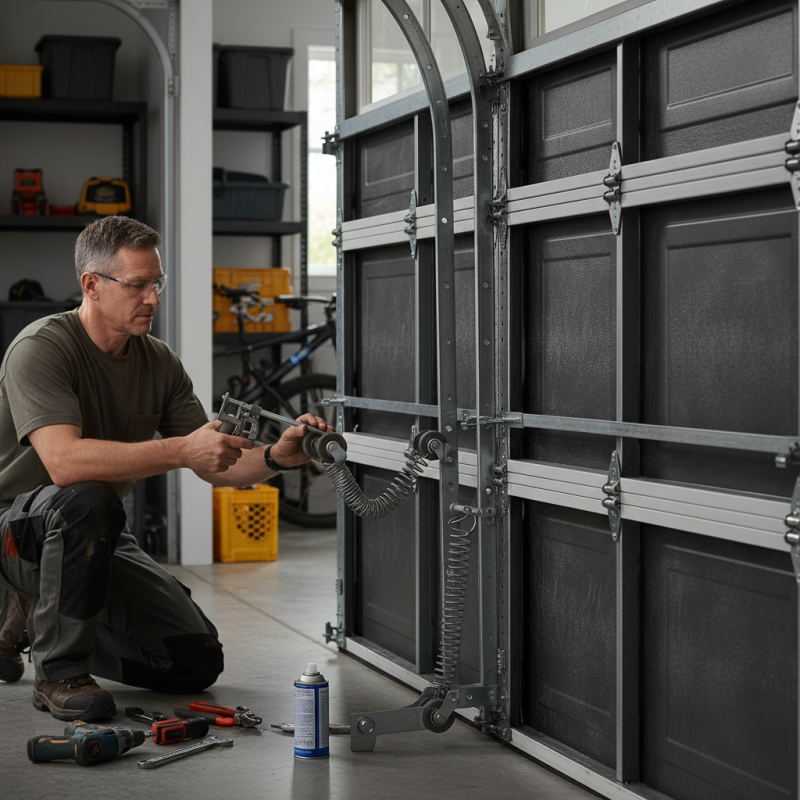
Why is My Sectional Garage Door Noisy and How to Fix It?

Common Causes of Noise in Sectional Garage Doors

Noisy sectional garage doors can be a nuisance. Understanding the common causes is essential for effective solutions. One frequent issue is worn-out rollers. If they are rusty or damaged, they can create loud grinding noises. Regular maintenance can prevent this problem.

Another cause could be loose hardware. Over time, bolts and screws may loosen, leading to rattling sounds. Inspecting all connections periodically is a good practice. Tightening them can significantly reduce noise.

Tips: Lubricate the moving parts of your garage door regularly. This simple step often minimizes friction and noise. Also, consider replacing worn parts immediately. Ignoring them can lead to bigger problems. Not all noises indicate a severe issue, but it’s important to listen. Your garage door deserves attention to keep it functioning quietly and efficiently.

Why is My Sectional Garage Door Noisy and How to Fix It? - Common Causes of Noise in Sectional Garage Doors

Cause of Noise Description Solution
Loose Hardware Bolts and screws may become loose over time, causing rattling noises. Tighten all bolts and screws using a socket wrench.
Worn Rollers Rollers can wear out or become damaged, leading to grinding sounds. Replace worn rollers with new ones suitable for your door.
Lack of Lubrication Dry parts can create friction, resulting in squeaking or grinding noises. Lubricate the tracks, rollers, and hinges with a silicone-based lubricant.
Misaligned Tracks If tracks are misaligned, the door may not move smoothly, causing noise. Adjust the tracks or contact a professional for realignment.
Weather Stripping Issues Damaged weather stripping can create air leaks and add noise. Replace worn weather stripping to reduce noise and improve insulation.

Identifying the Types of Noises from Your Garage Door

Noisy garage doors can be a common source of frustration for homeowners. Identifying the specific type of noise your sectional garage door is making can help diagnose the issue. For example, a grinding noise may signify that the rollers or tracks require lubrication or replacement. Research indicates that roughly 30% of garage door issues stem from inadequate maintenance, particularly in older systems.

Squeaking sounds often arise from worn-out springs or hinges, requiring immediate attention. In fact, a recent industry report highlighted that about 43% of garage door malfunctions are related to spring failures. If your door rattles, it may be due to loose hardware or misalignment. Tightening bolts and ensuring proper alignment are steps homeowners can take to mitigate these problems.

Vibrations can also signal that something is off-balance. Regular inspections are crucial, as many overlook these aspects until it’s too late. Ignoring persistent noises may lead to more significant repairs down the line, costing homeowners more in the long run. Daily usage should not come with constant reminders of repairs needed, yet it often does.

Step-by-Step Guide to Troubleshooting Noisy Garage Doors

Many homeowners encounter noisy sectional garage doors. Identifying the causes can help resolve issues effectively. A common culprit is a lack of lubrication. According to industry reports, 30% of garage door failures stem from inadequate maintenance. Regularly lubricating hinges, rollers, and tracks can reduce noise significantly. Use a silicone-based lubricant for best results.


Another reason for excessive noise could be misaligned components. When tracks are not properly aligned, it causes friction during operation. Surprisingly, around 20% of garage doors experience noise due to this issue alone. Adjusting the alignment can greatly improve functionality. Inspect the door to ensure that all parts are in the right position.


Lastly, worn-out parts can contribute to a noisy environment. Rollers, springs, and cables wear down over time. Statistics show that over 50% of garage door issues involve worn components. Regular checks and timely replacements can save you from more significant problems. While it’s tempting to ignore these noises, addressing them promptly can enhance the longevity of your garage door.

Effective Solutions to Reduce Noise in Garage Doors

Garage doors can often be noisy, which might be bothersome. Understanding why they make noise is crucial. Many factors contribute to this issue, such as worn-out rollers, loose hardware, or lack of lubrication. When your sectional garage door squeaks or rattles, it may signal a need for maintenance.

To reduce noise, start by inspecting the door’s components. Tighten any loose screws and bolts. Lubricating the rollers and tracks can significantly lower noise levels. Use a silicone-based lubricant to avoid attracting dust and dirt. If the rollers are worn out, consider replacing them. New rollers can improve the door's function and decrease noise.

You might also examine the opener. Sometimes, a misaligned opener can contribute to excessive noise. Adjust it to ensure it operates smoothly. Insulating the garage door can help as well. Adding weather stripping or soundproofing materials can make a noticeable difference. Regular maintenance is key, but it’s not always perfect. You might find that some noise persists even after your efforts. That's okay; each garage door is unique and can require different solutions.

Noise Levels of Common Garage Door Issues

This bar chart illustrates the noise levels (in decibels) associated with common garage door issues. Addressing these problems can significantly reduce the noise produced by your sectional garage door.

Preventative Maintenance Tips for Quiet Garage Door Operation

A noisy sectional garage door can be frustrating. Common causes include worn-out rollers or loose hardware. Addressing these issues early can ensure a quieter operation.

Regular inspection is key to avoiding problems. Look for loose screws and bolts. Tightening them can reduce rattling and vibrations. Clean the tracks regularly to prevent dirt buildup. Dust and debris can cause the door to operate roughly.

Lubrication is essential for smooth movement. Use high-quality lubricant on rollers, hinges, and tracks. Apply it sparingly to avoid excess buildup. Regular maintenance checks can catch issues before they escalate. Creating a maintenance schedule can help keep the door functioning well. A little effort now can result in long-term peace and quiet.

FAQS

: What causes noisy sectional garage doors?

: Worn-out rollers and loose hardware are common causes. They can create grinding or rattling sounds.

How can I reduce noise from my garage door?

Regularly lubricate moving parts. This minimizes friction and helps keep noise levels down.

What do grinding noises indicate?

Grinding noises may mean the rollers or tracks need lubrication or replacement.

Why is maintenance important for garage doors?

About 30% of garage door issues come from inadequate maintenance. Regular checks are essential.

What should I do if my garage door squeaks?

Squeaking sounds often mean worn-out springs or hinges. Address these issues quickly.

What can rattling noises mean?

Rattling may be due to loose hardware or misalignment. Tightening bolts can help.

How do vibrations affect my garage door?

Vibrations may signal that something is off-balance. Regular inspections can prevent bigger issues.

What happens if I ignore garage door noises?

Ignoring persistent noises can lead to significant repairs and higher costs later.

When should I replace worn parts?

Replace worn parts immediately. Delaying can result in bigger problems down the line.

Are all noises from garage doors serious?

Not all noises indicate severe issues, but they deserve attention. Listening is key to maintenance.

Conclusion

Understanding and addressing the noise issues of sectional garage doors is crucial for maintaining a peaceful home environment. Common causes of noise can include worn-out rollers, loose hardware, and lack of lubrication. By identifying the specific types of noises—such as grinding, squeaking, or rattling—homeowners can gather important clues for troubleshooting.

To effectively resolve these issues and learn how to fix a noisy sectional garage door, a step-by-step guide is essential. This includes checking all components for wear, tightening any loose screws or bolts, and applying lubricant where needed. Additionally, implementing preventative maintenance tips will ensure quiet operation and prolong the life of the garage door system, contributing to a more enjoyable living space.

Liam

Liam

Liam is a dedicated marketing professional with a profound expertise in the industry, where he excels at highlighting the unique advantages of our core products. With a keen understanding of market trends and consumer needs, Liam frequently updates our company’s professional blog, providing......