In the realm of climate-controlled warehouses, maintaining optimal conditions is paramount. Air leakage can undermine temperature stability and lead to increased energy costs. This article delves into effective strategies on how to stop air leakage in a climate-controlled warehouse.
Understanding the specifics of air flow and insulation can be complex. Small gaps in walls, doors, or windows often go unnoticed yet contribute significantly to energy inefficiency. Every leak, no matter how minor, can alter the controlled environment. Identifying these areas requires a keen eye and thorough inspection.
Additionally, we’ll cover common materials and techniques used to seal these leaks. Investing in quality insulation and employing advanced sealing methods is essential. However, it’s not just about sealing; regular maintenance is equally crucial. Without consistent checks, even the best efforts can fall short.
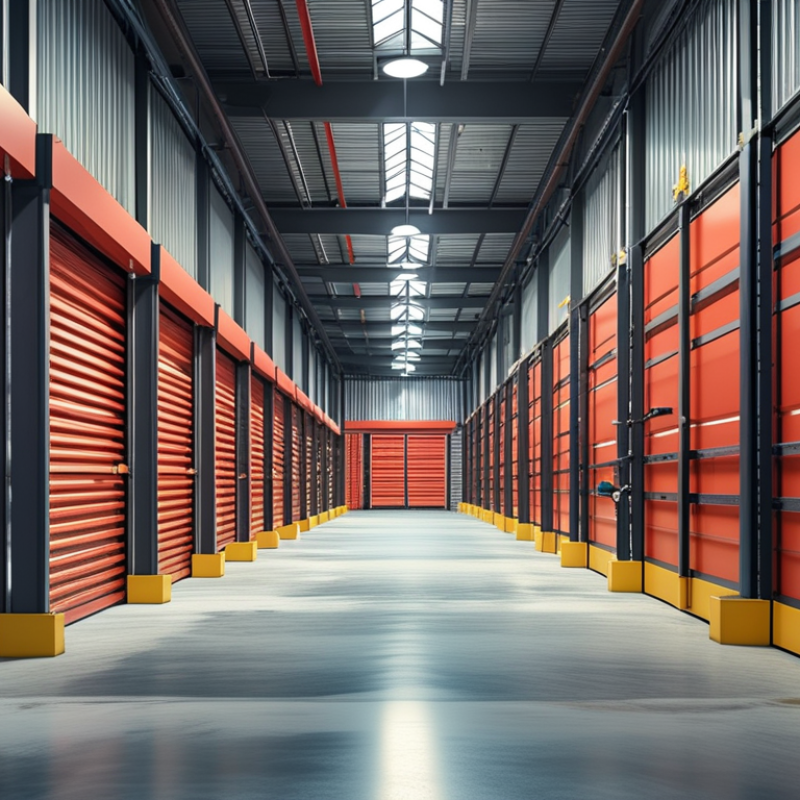
Air leakage poses significant challenges for climate-controlled warehouses. Understanding how air leakage occurs is vital for maintaining the integrity of stored goods. Poor insulation, unsealed entry points, and defective seals allow air to escape or enter the environment. This inconsistency in temperature and humidity can quickly damage sensitive items.
Efficiency in climate control relies heavily on preventing this leakage. Regular inspections can reveal gaps around doors and windows. Simple fixes, like weather stripping, may be necessary. However, there can be unforeseen challenges. Existing structures may require extensive modifications, which can strain budgets. It’s a continuous process that demands attention to detail. Sometimes, the best measures miss critical spots, leading to ongoing air loss.
Staff training can also be crucial. Employees need to recognize the signs of excessive air leakage. Training programs should focus on maintenance and monitoring. Awareness can lead to proactive measures. Yet, misconceptions about airflow can lead teams astray. Keeping a balance between airflow and climate control is an ongoing learning curve.
Air leakage in climate-controlled warehouses can significantly affect energy efficiency and product integrity. One common source of air leakage is through improperly sealed doors. According to the U.S. Department of Energy, up to 30% of the energy used for heating and cooling in these facilities can be lost due to gaps and cracks around door frames. This can lead to increased operational costs and compromised temperature control.
Another significant area of concern is the ceilings and roofs. Poor insulation and gaps can allow conditioned air to escape. The American Society of Heating, Refrigerating and Air-Conditioning Engineers (ASHRAE) suggests that a well-insulated ceiling can reduce air leakage by up to 50%. However, many warehouses overlook this aspect, often leading to substantial energy waste and fluctuating internal temperatures.
Windows and ventilation systems also play a crucial role. Faulty window seals can let in outside air, raising the internal humidity levels. Moreover, inadequate maintenance of HVAC systems can result in leaks that compromise climate control. Regular inspections and proper sealing techniques are essential in maintaining the integrity of these systems. Making these adjustments is often neglected, but can lead to significant long-term benefits in energy savings and environmental control.
| Source of Air Leakage | Description | Prevention Method | Impact on Climate Control |
|---|---|---|---|
| Doors and Loading Docks | Spaces around doors where air can escape | Install rubber seals and strip curtains | Can lead to significant energy loss |
| Windows and Skylights | Unsealed or inefficient windows allowing air to pass | Use double-glazed or energy-efficient windows | Can cause temperature fluctuations |
| Roof and Wall Junctions | Gaps where the roof meets the walls | Apply sealants and weatherproofing | Leads to inefficient heating/cooling |
| HVAC Ducts | Faulty or unsealed ductwork allowing air to escape | Regular inspection and sealing of ducts | Can reduce efficiency of climate control systems |
| Foundation Cracks | Cracks in the building foundation where air can enter/exit | Seal cracks with appropriate materials | Can create air pockets impacting temperature |
Effective insulation is crucial for minimizing air leakage in climate-controlled warehouses. Proper insulation material selects can significantly reduce energy loss. Spray foam is an excellent choice for sealing gaps. It expands to fill voids, creating an airtight barrier. Fiberglass insulation is also common, but it requires neat installation to work effectively.
Tips: Inspect your warehouse regularly. Look for cracks and holes around doors and windows. Weather stripping can help seal these areas. Reinforce areas where walls meet roofs; this is a common leakage point.
Consider adding door sweeps to all exterior doors. Using heavy-duty curtains can help maintain temperature. Reflective insulation can redirect heat, further improving energy efficiency. Regular maintenance is essential. Even the best insulation can deteriorate over time.
Effective air sealing goes beyond insulation. Proper ventilation is also necessary. Ensure that air circulation is balanced to avoid pressure differences. Remember, a comprehensive approach keeps air leakage at bay. Write down your observations and reflect on areas needing improvement.
Air leakage in climate-controlled warehouses can lead to significant energy loss and increased operational costs. Effective sealing methods are crucial. According to the U.S. Department of Energy, air leaks can account for up to 30% of heating and cooling costs in these facilities. Proper sealing reduces this energy waste, promoting efficiency.
Choosing the right sealing materials is essential. Silicone, foam, and rubber gaskets are commonly used. These materials not only fill gaps effectively but also resist wear and tear over time. For larger openings, metal flashing can provide robust sealing. Regular inspection of seals is vital. Many facilities overlook the wear that occurs over time.
Tip: Regularly check for gaps and cracks. A simple visual inspection can identify potential problem areas.
Moreover, consider weather-stripping at entry points. This method is relatively inexpensive and can make a significant difference. Improper sealing can allow moisture intrusion, leading to mold growth.
Tip: Monitor humidity levels inside the warehouse. Keeping humidity in check prevents damage to stored goods.
Maintaining airtight conditions in climate-controlled warehouses is essential for product preservation. Regular maintenance is key to preventing air leakage. Inspecting seals and weather stripping should be done frequently to ensure effectiveness. Over time, these materials can degrade and allow air to escape or enter. A simple check can save significant energy costs and protect inventory.
Tips: Schedule routine inspections every three months. Focus on door seals, window frames, and joints. Replace any damaged parts promptly to avoid larger issues.
Monitoring temperature and humidity levels is equally important. Use reliable sensors to track changes. Anomalies can indicate leaks or system failures. Take immediate action if readings fluctuate outside the desired range.
Tips: Set alarms for critical thresholds. Consistently review your monitoring data for patterns. Any irregularities should prompt a deeper investigation into potential leaks.
Incorporating these practices helps maintain optimal conditions. Being proactive is better than reactive when it comes to air leakage prevention.
: Poor insulation, unsealed entry points, and defective seals allow air to escape or enter.
It can cause inconsistencies in temperature and humidity, damaging sensitive items quickly.
Regular inspections for gaps and using weather stripping can help seal entry points.
Yes, existing structures may need extensive modifications, which can strain budgets.
Employees need to identify signs of air leakage and understand maintenance procedures.
A well-insulated ceiling can reduce air leakage significantly, up to 50%.
Improperly sealed doors can cause significant energy loss and affect temperature control.
Faulty seals and inadequate maintenance can allow outside air in, raising humidity levels.
Teams may struggle to balance airflow needs with effective climate control.
No, it requires ongoing attention and consistent monitoring for best results.
Effectively preventing air leakage is crucial for maintaining optimal conditions in climate-controlled warehouses. Understanding air leakage and its impact is the first step, as it can lead to energy loss, increased costs, and compromised inventory integrity. Common sources include gaps in construction, faulty seals, and inadequate insulation.
To answer the question of how to stop air leakage in a climate-controlled warehouse, implementing effective insulation techniques and employing appropriate sealing materials are essential. Regular maintenance and monitoring should also be prioritized to ensure airtight conditions are sustained over time. By addressing these areas, warehouse operators can enhance energy efficiency and protect their stored goods from temperature fluctuations.

Vistaro Door