Industrial doors are crucial for operational efficiency in warehouses and manufacturing facilities. However, they often suffer damage from forklifts and other equipment. According to the National Federation of Retailers, businesses face an average of $60,000 in costs due to industrial door repairs each year. This statistic highlights the importance of preventive measures.
Experts emphasize the need for robust protocols. John Thompson, a logistics consultant, states, "Preventive maintenance is key to prolonging the life of industrial doors." Understanding how to prevent forklift damage to industrial doors is vital for minimizing repair costs and operational downtime. Simple steps can significantly reduce the risk of impact.
Investing in proper training and safety equipment can pay off. Installing sensors and bumpers on doors can offer an additional layer of protection. However, many facilities overlook basic safety protocols, reflecting a need for greater awareness. The challenge lies in consistently implementing these preventive measures while ensuring the workforce is well educated on safety practices.
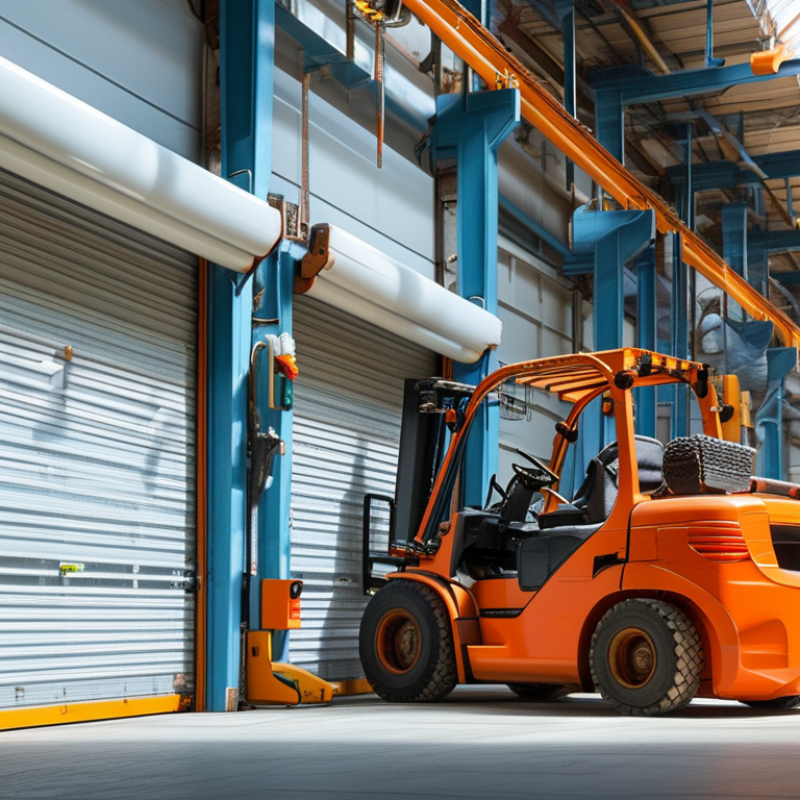
Forklifts are essential in industrial settings, enhancing efficiency in material handling. However, their potential for causing damage is significant. When a forklift collides with an industrial door, the consequences can be severe. Such damage can lead to operational delays, increased maintenance costs, and even safety hazards for employees.
Understanding the impact of forklift damage is crucial. A damaged door may compromise security, exposing the facility to theft and vandalism. It can also create environmental issues. Weather elements like rain or snow could enter the facility, causing further damage to inventory and equipment. The disruption in workflow can lead to inefficiencies that affect overall productivity.
**Tips:**
- Ensure proper forklift training for operators. Educate staff on navigating tight spaces.
- Regularly inspect doors and frames for damage. Identify and address wear before it becomes a significant problem.
- Install protective barriers around doors to minimize the risk of collisions.
By taking proactive measures, businesses can significantly reduce the risk of forklift damage. Reflecting on current practices can reveal gaps in training and equipment that need attention. Prioritizing door maintenance and operator safety creates a more secure work environment.
| Damage Type | Estimated Cost of Repair ($) | Impact on Operations | Frequency of Occurrence |
|---|---|---|---|
| Dents and Scrapes | 150 - 300 | Minor disruption; aesthetic issues | Frequent |
| Frame Damage | 500 - 1,000 | Moderate disruption; safety issues | Occasional |
| Track Misalignment | 300 - 600 | Major disruption; reduces efficiency | Common |
| Door Misfunction | 1,000 - 2,500 | Severe disruption; affects safety | Rare |
| Total Loss | 2,500 - 5,000 | Critical; complete door replacement | Very Rare |
Forklift damage to industrial doors is a critical issue in many warehouses and production facilities. According to a report by the National Safety Council, nearly 100,000 forklift accidents occur each year in the U.S., resulting in significant property damage. One common cause is operator error, which can lead to improper maneuvers. When a forklift collides with an industrial door, it can bend tracks and break panels, leading to costly repairs.
Another major factor is the lack of adequate training for forklift operators. Many facilities do not prioritize comprehensive safety training. Without this training, operators may not fully grasp the dimensions of their vehicle or the risks involved. Additionally, poor visibility and tight spaces exacerbate the chance of accidents, putting industrial doors at risk of severe damage.
Tips for preventing damage include regular training refreshers for forklift operators. Encourage open communication about safety concerns. Installing impact-resistant doors can also provide added protection. Assessing and redesigning traffic flow within the facility can create spacious navigation routes. Small adjustments like these can drastically reduce the instances of damage, saving time and money in the long run.
Neglecting forklift damage repairs can lead to significant consequences for industrial doors.
When doors are not functioning properly, it can disrupt workflow, affecting productivity. A report by the
National Safety Council highlights that facilities lose an average of
50 hours of productive time per year due to door malfunctions. This affects
the bottom line and can lead to an inefficient work environment.
Beyond productivity issues, safety risks also increase. Damaged
doors may compromise building security, exposing valuable assets to theft. According to a report from the
Occupational Safety and Health Administration, over
80% of workplace injuries could be linked to poor maintenance practices.
Ignoring damage can escalate repair costs, leading to higher expenses in the long run.
Tips: Regular inspections of industrial doors are essential.
Promptly address minor damages to prevent major repairs. Educate forklift operators on safe practices around doorways.
Investing in training can significantly reduce the likelihood of accidents. A small effort today can lead to
substantial savings tomorrow.
Industrial doors are essential for maintaining safety and efficiency in warehouses. However, they are highly vulnerable to damage from forklifts. One small collision can lead to costly repairs. To prevent such incidents, businesses should implement clear operational protocols. Workers must be trained in safe driving techniques. Marked zones can help designate areas where forklifts should operate, reducing the risk of door damage.
Regular inspections are crucial. Evaluate door conditions frequently for signs of wear and tear. Identifying potential issues early can save money and time. Use quality materials for door construction to withstand impacts. Installing protective barriers or guards can also help absorb shocks from accidental bumps.
Creating a culture of awareness among employees is vital. Encourage communication about potential hazards in the working area. Allowing workers to report unsafe conditions can bring collective responsibility. Forklift operation is necessary, but safety should come first. Balancing efficiency with protection needs constant reflection and adjustment in safety practices.
Industrial doors play a crucial role in the daily operations of warehouses and manufacturing plants. Unfortunately, forklift collisions can damage them significantly. Over time, repair or replacement costs can pile up. Analyzing these costs reveals that prevention is more economical in the long run.
Investing in protective measures for doors could save money. For instance, installing railings or bumpers can absorb impact and reduce damage. A simple bump stop can effectively limit the extent of damage. The cost of these preventive additions is often minimal compared to potential repair bills. Each incident adds up quickly, stressing budgets and affecting productivity.
However, many businesses overlook these measures. They may believe that repairs are occasional expenses. This mindset can lead to larger, unanticipated costs. Observing the frequency of forklift-induced damage might change this perspective. Sometimes, a small investment makes a big difference. Evaluating the long-term benefits is essential for efficient operations.
This chart illustrates the cost comparison between various factors associated with forklift damage to industrial doors. Investing in prevention can significantly reduce repair, downtime, and replacement costs.
: Neglecting repairs can severely disrupt workflow and affect productivity.
Facilities lose an average of 50 hours per year because of these issues.
Damaged doors can compromise security, making valuable assets susceptible to theft.
Over 80% of workplace injuries are tied to inadequate maintenance practices.
Ignoring damages can increase repair costs, leading to higher long-term expenses.
Regular inspections are essential to identify wear and tear promptly.
Install barriers and train workers in safe driving to reduce collision risks.
Encouraging communication about hazards can foster collective responsibility for safety.
Training can significantly reduce accident likelihood and enhance workplace safety.
Constant reflection and adjustment in safety practices are crucial for this balance.
Forklift damage to industrial doors can lead to significant operational disruptions and costly repairs. Understanding the impact of such damage highlights the importance of addressing common causes, such as operator errors or lack of safety protocols. Neglecting repairs can exacerbate the situation, resulting in further structural damage and increased maintenance costs.
To mitigate these issues, businesses must implement preventive measures to protect their industrial doors from forklifts. This includes regular inspections, employee training, and the use of safety barriers. Moreover, conducting a cost-benefit analysis demonstrates that investing in prevention ultimately saves money and enhances productivity. Businesses must prioritize "how to prevent forklift damage to industrial doors" to ensure safety and longevity in their operations.

Vistaro Door