Top 10 Reasons Your High Speed Door Keeps Reversing?

Time:2026-05-01 Author:Oliver
0%

High-speed doors are vital in many industries for maintaining efficiency. However, one common issue many face is the unexpected reversing of these doors. If you’ve ever wondered, "Why does my high-speed door keep reversing?" you’re not alone. This problem can arise from various factors, leading to frustration and downtime.

The most frequent causes include misalignment, sensor malfunctions, and debris in the door track. Each of these issues has distinct signs which can help identify the underlying problem. For instance, misalignment may result from improper installation. In contrast, sensors might be blocked or dirty, misreading the surroundings. Additionally, emergency stops can trigger door reversals, a safety feature that can sometimes cause more harm than good if overly sensitive.

Understanding these reasons can empower you to troubleshoot effectively. Paying attention to the condition of your door, and its components can save time and money. Each issue presents an opportunity for reflection and improvement. Regular maintenance, inspections, and adjustments ensure your high-speed doors operate smoothly and efficiently without unwanted reversals.
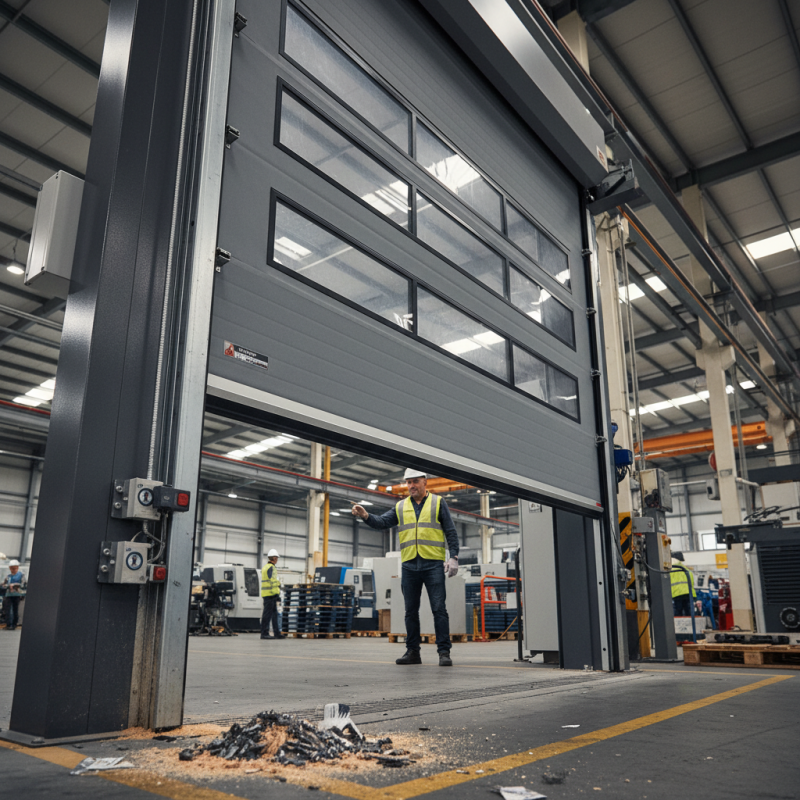
Top 10 Reasons Your High Speed Door Keeps Reversing?

Common Obstructions Causing High Speed Door Reversals

High-speed doors are crucial for maintaining efficiency in fast-paced environments. However, they often reverse unexpectedly. Common obstructions are significant factors causing these reversals. According to industry reports, nearly 30% of high-speed door issues stem from physical barriers.

One prevalent obstruction is debris in the door's path. Even small objects can trigger safety sensors. Regular cleaning and inspection can prevent many of these issues. Operators should routinely check around the door area for any potential blockages.

Another common cause is misalignment. If the door is not properly aligned, it might reverse due to sensor miscommunication. It's essential for facilities to ensure that installation and adjustments are done according to manufacturer's specifications. Proper maintenance practices create a safer and more efficient workspace.

Tip: Always keep the area around high-speed doors clear to minimize unexpected reversals.

A third, less obvious factor is the environment itself. Changes in temperature can affect sensor responsiveness. Doors may behave unpredictably if exposed to extreme conditions. Regularly monitor these factors to avoid disruptions in operations.

Tip: Schedule bi-annual maintenance checks to catch potential issues early.

Misaligned Sensors and Their Impact on Door Operation

Misaligned sensors can significantly impact the operation of high-speed doors. If sensors are out of alignment, the door may reverse unexpectedly. It can create frustration, especially in busy environments like warehouses or factories. A misaligned sensor may fail to detect objects correctly. This failure triggers the reversal mechanism, leading to unnecessary delays.

To ensure proper functionality, regularly check the sensor alignment. A simple visual inspection can help identify any noticeable issues. Adjusting the sensors can often be done without professional help, but caution is necessary. Improper adjustments could worsen the issue. Consult the manufacturer's guidelines for the correct alignment procedure. Frequent inspections and maintenance can prevent misalignment problems.

Additionally, environmental factors might influence sensor performance. Dust, debris, or even harsh weather can obstruct sensors, leading to faulty readings. Keeping the sensor area clean is crucial for optimal operation. However, it's easy to overlook these details. Neglecting sensor maintenance can result in frequent door reversals and operational disruptions. Regular attention to these small components can save time and reduce frustration in the long run.

Mechanical Issues Leading to Frequent Door Reversing

Mechanical issues are often the root cause of a high-speed door reversing unexpectedly. One common problem is misalignment. When the tracks and rollers are not properly aligned, the sensors may detect an obstruction. This can trigger the door to reverse, causing frustration for users. Regular inspections and adjustments can prevent this issue.

Another frequent issue is wear and tear on the door components. Springs, gears, and cables can degrade over time. When these parts weaken, they may not function correctly. This malfunction can lead to erratic door behavior, including reversing. Timely replacement of these components can enhance reliability and extend the door's lifespan.

Additionally, sensor malfunctions can impede proper operation. Dust, dirt, or damage can obstruct the sensors. When sensors do not function, they cannot send accurate signals to the door's control system. Understanding these mechanical challenges is vital for maintaining high-speed doors. Addressing them proactively helps improve performance and minimizes operational disruptions.

Electrical Problems Triggering High Speed Door Reversals

High-speed doors are essential in various industries. They provide efficiency, but electrical problems can lead to unexpected reversals. These reversals can disrupt workflow and cause safety issues. According to the 2022 Industry Safety Report, over 20% of high-speed door failures result from electrical failures. Understanding these triggers is vital for operational reliability.

One common issue is misaligned sensors. If these sensors fail to detect an object, the door may reverse. Regular inspections can help identify alignment issues early. Additionally, wiring problems can cause feedback loops. These loops may falsely signal the door to reverse, resulting in repeated malfunctions. A 2021 study highlighted that over 30% of service calls were related to wiring problems in high-speed doors.

Faulty control panels are another significant concern. They can misinterpret signals, leading to erratic door behavior. It's crucial to ensure that control panels are updated and well-maintained. Inadequate power supply can also lead to reversal issues. Power surges or drops may trigger safety features, causing the door to reverse unexpectedly. Regular maintenance of electrical components can mitigate these risks and enhance the door’s performance.

Top 10 Reasons Your High Speed Door Keeps Reversing

Routine Maintenance Practices to Prevent Door Reversals

High-speed doors are essential for many businesses. However, frequent reversals can disrupt operations. Routine maintenance is critical to avoid these issues. Check sensors regularly. Dirt or obstructions can cause false signals, prompting the door to reverse unexpectedly. Ensure that the sensors are clean and aligned properly to prevent unnecessary malfunctions.

Another aspect to consider is the door’s rollers and tracks. A build-up of grime can hinder movement. Apply lubricant every few months. It helps the door glide smoothly. Regularly inspect for signs of wear or damage. Small issues can escalate quickly if left unaddressed.

Pay attention to the control systems as well. Wiring connections should be secure to prevent malfunctions. Regularly test the system response to ensure reliability. Ignoring these details may lead to frequent reversals. An ounce of prevention saves time and frustration in the long run.

Top 10 Reasons Your High Speed Door Keeps Reversing

Reason Description Preventive Practice
Obstructed Sensors Debris or obstructions can prevent sensors from functioning properly. Regularly clean and inspect sensors for debris.
Misaligned Photo Eyes Photo eyes that are not aligned can misread signals and cause reversals. Check alignment periodically and adjust as needed.
Faulty Limit Switches Limit switches that are damaged can cause erratic door behavior. Test limit switches regularly and replace if necessary.
Electrical Issues Electrical faults can lead to unexpected reversals. Inspect wiring and connections; check for voltage stability.
Wear and Tear Over time, components can wear down, leading to operational issues. Schedule regular maintenance checks to replace worn parts.
Environmental Factors Wind, rain, or snow can affect the door's movement. Install weather seals and protect against extreme weather.
Software Glitches Software issues may trigger unintended reversals. Keep software updated and troubleshoot regularly.
Improper Installation Incorrect installation can lead to maladaptive behavior. Follow installation guidelines meticulously and seek professional help.
Incompatibility Issues Certain doors may not be compatible with existing systems. Verify compatibility in system specifications before choosing a door.

FAQS

: What causes high-speed doors to reverse unexpectedly?

: Common causes include physical obstructions, misalignment, and environmental factors affecting sensor responsiveness.

How can debris in the door's path affect its operation?

Even small objects can trigger safety sensors, causing the door to reverse. Regular cleaning is recommended.

Why is misalignment an issue for high-speed doors?

Misalignment can lead to sensor miscommunication, prompting the door to reverse unexpectedly. Proper installation is crucial.

How can environmental changes impact high-speed door functionality?

Extreme temperature changes can affect sensor responsiveness, causing unpredictable door behavior. Regular monitoring is advised.

What maintenance practices can help prevent door reversals?

Regularly check sensors for cleanliness and alignment. Inspect rollers and tracks to ensure smooth movement.

How often should maintenance checks be scheduled?

Bi-annual maintenance checks are recommended to catch potential issues early and improve overall performance.

What mechanical issues can lead to high-speed door problems?

Wear and tear on components like springs and sensors can cause malfunction, leading to unexpected door reversals.

Why is it important to maintain control systems?

Secure wiring connections and regular testing can prevent malfunctions, helping to reduce frequent door reversals.

What happens if small maintenance issues are ignored?

Small problems can escalate quickly, leading to more significant disruptions and increased frustration for users.

How can operators ensure a safer workspace with high-speed doors?

Keeping the area around doors clear and maintaining components can help minimize unexpected reversals.

Conclusion

If you've ever found yourself asking, "Why does my high speed door keep reversing?", you're not alone. Several factors could be at play. Common obstructions, such as debris or improperly positioned items, can block the door’s path, leading to automatic reversals. Additionally, misaligned sensors can significantly affect the door's operation, causing it to reverse unexpectedly.

Mechanical issues, such as worn-out components or malfunctioning tracks, may also contribute to this problem. Electrical problems, including faulty wiring or sensor malfunctions, can trigger unnecessary reversals as well. To minimize these disruptions, routine maintenance practices are essential. Regular inspections and adjustments can help ensure your high speed door operates smoothly and efficiently, reducing the frequency of reversals.

Oliver

Oliver

Oliver is a seasoned marketing professional with a wealth of expertise in driving brand awareness and engagement. With a deep understanding of our company's product offerings, he consistently delivers high-quality content that enriches our professional blog. His insights not only shed light on......