In today's energy-conscious world, the demand for efficiency and comfort is rising. Thermal Insulated Sectional Doors are a key solution. These doors offer numerous advantages that enhance both residential and commercial properties.
Thermal Insulated Sectional Doors help maintain consistent indoor temperatures. They reduce energy costs by preventing heat loss in winter and keeping spaces cool during summer. Imagine a garage in winter; these doors can keep it warmer, making it more usable.
However, not all doors deliver the same level of insulation. Choosing the right one requires careful consideration of materials and construction. While these doors excel in energy efficiency, some may overlook their importance. It's vital to reflect on how Thermal Insulated Sectional Doors can truly benefit your space.
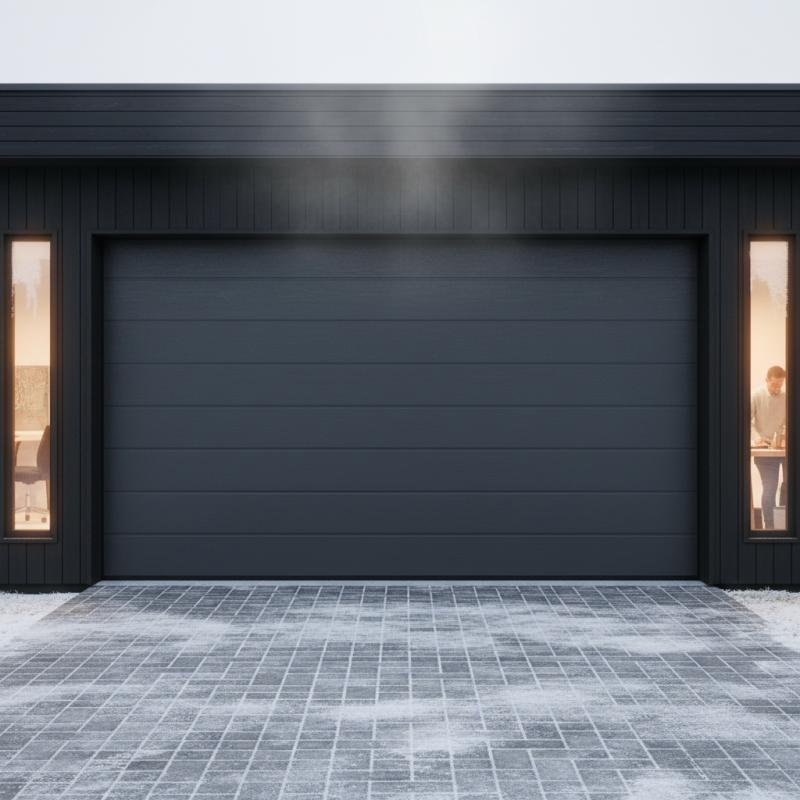
Thermal insulated sectional doors provide several benefits that enhance energy conservation. These doors are designed to minimize heat transfer, keeping indoor spaces warmer in winter and cooler in summer. This ability reduces the need for excessive heating or cooling, leading to decreased energy consumption. As a result, homeowners and businesses can save on energy bills.
To ensure maximum efficiency, proper installation is crucial. Gaps or poor sealing can negate the benefits of insulation. Regular maintenance is also important. Check for wear and tear that could compromise insulation. Invest time in keeping your doors in good condition.
When considering thermal insulated sectional doors, remember their construction details. These doors typically feature an insulated core that enhances thermal resistance. Look for a door with a high R-value, as this indicates better insulation. Even the color and finish can impact energy efficiency, so think carefully about your choices. Always have clear goals for your energy consumption. Setting specific targets can help you gauge the effectiveness of your new doors.
| Feature | Description | Benefits |
|---|---|---|
| Energy Efficiency | Thermal insulated sectional doors are designed to minimize heat transfer, keeping conditioned air indoors. | Reduces heating and cooling costs. |
| Durability | Manufactured with high-quality materials that withstand harsh conditions. | Longer lifespan and reduced maintenance costs. |
| Noise Reduction | Insulation helps in absorbing sound, making spaces quieter. | Improves comfort in residential and commercial settings. |
| Customization | Available in various styles, colors, and sizes to fit different architectural needs. | Enhances curb appeal while providing functionality. |
| Enhanced Security | Features robust locking systems and sturdy materials. | Increases safety and security for your property. |
: They minimize heat transfer, keeping spaces warmer in winter and cooler in summer. This saves energy costs.
Proper installation is crucial. Gaps can reduce insulation benefits. Ensure tight sealing for maximum efficiency.
Regularly inspect for wear and tear. Ensure seals are intact to maintain insulation effectiveness.
Look for doors with a high R-value. The insulated core enhances thermal resistance and energy efficiency.
They can reduce noise by up to 25 decibels. This creates a more peaceful environment in any setting.
Advanced polymers and composites offer better resistance to weather extremes than traditional materials. This enhances durability.
High-quality doors save energy and reduce noise in the long term. Poor insulation can lead to higher costs.
Yes, multi-layer constructions enhance insulation properties. Not all designs are equally effective, though.
Yes, some designs may look appealing but compromise energy efficiency. Balance aesthetics with functionality is essential.
Consider specific energy goals and requirements. Select doors that meet both immediate and long-term sustainability objectives.
Thermal Insulated Sectional Doors offer significant benefits for both residential and commercial spaces, primarily through their energy conservation capabilities. By enhancing heating and cooling efficiency, these doors help maintain consistent indoor temperatures, ultimately leading to reduced energy consumption and lower utility bills. Their thermal insulation features also play a crucial role in minimizing noise pollution, creating quieter environments for occupants.
Additionally, the advancements in materials and design of Thermal Insulated Sectional Doors contribute to their durability and performance. Users can expect long-term savings, as the initial investment is offset by decreased energy costs and improved comfort. Overall, these doors represent a cost-effective solution that not only enhances energy efficiency but also promotes a quieter and more sustainable living and working space.

 Vistaro Door