Garage doors are essential to home security and convenience. However, many homeowners encounter a frustrating problem: broken springs. Understanding what causes a garage door spring to break suddenly is crucial for prevention. Garage door springs are under immense tension. They bear the weight of the door and help with opening and closing. Over time, wear and tear can lead to failures.
Issues such as rust, poor installation, or inadequate maintenance can also contribute. Surprisingly, even changes in temperature can affect their lifespan. It's important to pay attention to signs of wear. You might notice unusual noises or difficulty in operation. These signs shouldn't be ignored. Regular inspections can help you catch problems early. It’s essential to approach this issue with knowledge and caution. Seeking professional advice can be valuable. By understanding the risks, homeowners can avoid unexpected breakdowns. Taking proactive steps ensures your garage door remains functional and safe.
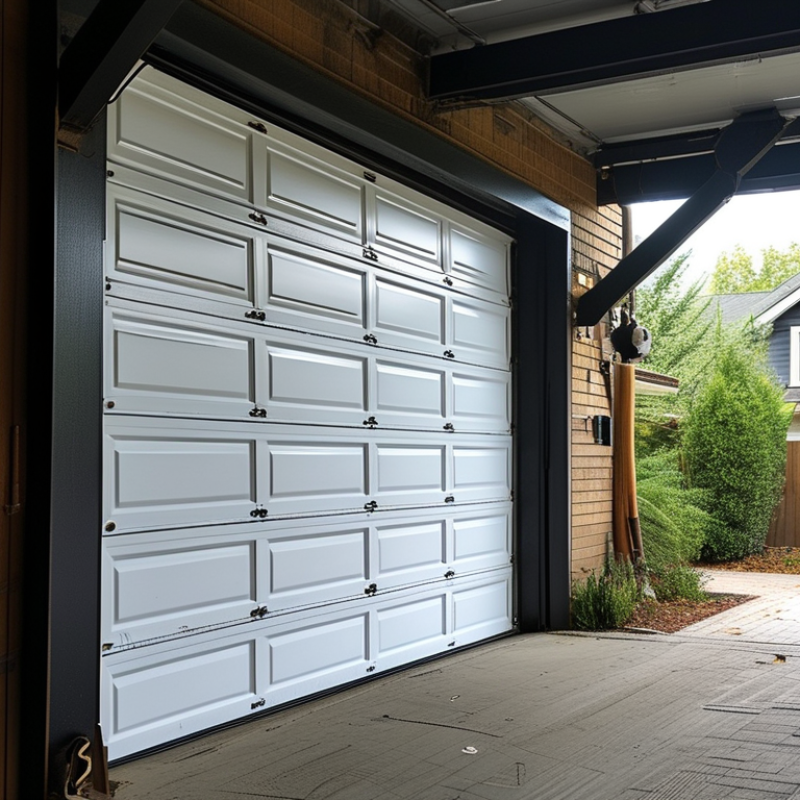
Garage door springs are crucial components for smooth operation. When they break, it can be sudden and disruptive. According to industry reports, nearly 20% of garage door issues stem from spring failures. This could include metal fatigue or wear due to weather conditions. If you notice your garage door jerking or failing to open, the springs might be to blame.
Over time, springs can lose tension. Experts suggest that springs typically last around 10,000 cycles. A cycle equates to one full open and close of the door. If your door is used frequently, you may reach this limit faster than anticipated. Corrosion is another common issue. Humidity and extreme temperatures can contribute to rust formation, weakening the springs.
Poor installation also plays a role. When springs are incorrectly sized or improperly installed, stress increases. This not only shortens their lifespan but may lead to abrupt failures. Regular maintenance is essential to catch these issues early. Inspecting the springs and general operation can save homeowners significant time and expense. Ensuring springs are lubricated and checking for visible wear can prevent unexpected breakdowns.
Garage door springs endure significant stress daily. Their lifespan varies, often impacted by environmental factors. High humidity levels and extreme temperatures can accelerate corrosion and fatigue. A study by the International Door Association shows that garage doors and their components can deteriorate significantly within five years in harsh climates.
Frequent temperature fluctuations also pose a threat. When temperatures drop, metal contracts, which can create stress on the springs. Conversely, heat makes metal expand, affecting the tension. A report from the American Society of Mechanical Engineers suggests that regular inspections become critical in regions with fluctuating temperatures. Without proactive measures, homeowners may face unexpected spring failures.
Moisture exposure significantly contributes to the problem. In coastal areas, saltwater can lead to faster deterioration. Likewise, dirt and debris accumulation can trap moisture, further aggravating corrosion. Though some materials are more resistant, all springs eventually face wear. Understanding these factors helps in planning maintenance and extending the garage door's lifespan. Adapting practices to local environments is vital. Ignoring these insights may lead to sudden and costly repairs.
| Reason for Breakage | Environmental Factor | Impact Level (1-5) | Frequency of Occurrence (%) |
|---|---|---|---|
| Rust and Corrosion | Humidity | 5 | 30 |
| Improper Tension | Temperature Changes | 4 | 25 |
| Wear and Tear | Seasonal Changes | 3 | 20 |
| Poor Quality Springs | Climate Conditions | 5 | 15 |
| Accidental Damage | Wind | 4 | 10 |
| Mechanical Failures | Extreme Temperatures | 5 | 18 |
| Old Age | Long-Term Exposure | 4 | 5 |
| Improper Installation | Urban Conditions | 5 | 8 |
| Lack of Maintenance | Dust and Pollution | 3 | 22 |
| Fluctuations in Power Supply | Electrical Storms | 5 | 7 |
Garage door springs play a crucial role in the overall functionality and safety of your garage door. One key factor affecting their performance is weight distribution. Improperly balanced doors can place excessive stress on the springs, leading to premature wear or sudden breakage. According to industry reports, about 70% of garage door failures stem from problems related to spring balance. When the weight of the door is not evenly distributed, springs on one side bear more load. This discrepancy can double the risk of breakage.
Regular inspections can help identify balance issues early. Experts recommend that homeowners test their garage door balance by disconnecting the opener and manually lifting the door. If it does not stay in place, it's time for adjustments. Neglecting this simple check can lead to significant, sometimes abrupt, spring failures. A study indicated that garages containing heavier doors, such as those made from solid wood, require more frequent maintenance compared to lighter, modern alternatives.
Garage door springs, while durable, have finite lifespans. Factors such as poor weight distribution and environmental conditions can accelerate their deterioration. In fact, data shows that improperly maintained springs have a 30% higher chance of breaking within five years. Being mindful of these factors is essential for ensuring the longevity and effective performance of your garage door system. Regular maintenance and awareness of weight distribution are necessary for preventing sudden failures.
Garage door spring breakage is a common issue faced by homeowners. Statistics show that nearly 30% of garage door failures are due to spring malfunctions. This can lead to costly repairs and safety hazards. Many springs are designed to last around 10,000 cycles. However, environmental factors can reduce their lifespan, showing the importance of regular maintenance.
A study by the American Garage Door Association highlights that over 70% of home-related injuries occur due to faulty garage doors. Most of these incidents result from broken springs. It’s alarming that a simple garage door malfunction can pose such serious risks. Regular inspection is crucial, especially in areas with extreme weather conditions. Owners should be aware of potential signs of wear, such as loud noises or uneven door movement.
Interestingly, many homeowners underestimate the impact of wear and tear. They often wait until a spring breaks to take action. This reactive approach can lead to significant repair costs. It’s essential to educate oneself about the common risks associated with garage door springs. Recognizing the signs early can save homeowners from unexpected troubles and enhance safety at home. Regular maintenance routines should be considered essential rather than optional.
Garage door springs are crucial for smooth operation. They experience wear and tear over time. A report from the National Association of Home Builders states that springs typically last around 7 to 9 years. Regular maintenance can significantly extend their lifespan. Check for signs of rust or corrosion. These factors can lead to sudden breakage.
Lubrication is essential for moving parts. Applying a high-quality lubricant every six months helps reduce friction. Moreover, keeping the tracks clean ensures better performance. A study by the International Association of Certified Home Inspectors revealed that improper maintenance is a leading cause of spring failure. Homeowners should perform visual inspections regularly, looking for any signs of damage or wear.
Many overlook the importance of correct tension. A spring under too much tension can snap unexpectedly. Consider hiring a professional for adjustments. Regular tune-ups and inspections can help catch potential issues before they escalate. Remember, prevention is more effective than dealing with sudden failures.
: Common causes include metal fatigue, wear from weather, and corrosion due to humidity.
Typically, springs last around 10,000 cycles, which is about 7 to 9 years.
Regular maintenance, lubrication, and visual inspections can significantly extend their lifespan.
Applying lubricant every six months helps reduce friction and prevent wear.
Look for rust, corrosion, loud noises, or uneven door movement during operation.
Regular inspection helps catch issues early and can prevent costly repairs and safety hazards.
Yes, incorrect sizing or installation increases stress on springs, leading to premature failure.
Humidity and extreme temperatures can cause rust, weakening the springs over time.
Springs under excessive tension can snap unexpectedly, creating a safety hazard.
Proactive maintenance is essential; waiting for an issue can lead to higher costs and risks.
Garage door springs are essential components that can face sudden failures due to various factors. One critical aspect to consider is what causes a garage door spring to break suddenly. Common culprits include wear and tear from regular use, exposure to environmental conditions, and improper weight distribution on the door, all of which can significantly affect the springs' longevity and performance.
Statistics reveal trends in garage door spring breakages, highlighting the importance of understanding these risks. To mitigate potential issues, regular preventive maintenance is crucial. Simple practices like lubricating springs, checking for rust, and ensuring even weight distribution can greatly extend the lifespan of garage door springs, ultimately preventing unexpected failures.

Vistaro Door