In the fast-paced world of logistics, safety is paramount. Many warehouses overlook critical protocols to keep loading docks safe. Robert King, an expert in industrial safety, emphasizes, “A secure loading dock is essential for preventing accidents and ensuring smooth operations.” This raises an important question: What are the safety requirements for industrial loading docks?
Industrial loading docks face unique hazards. Workers are at risk from moving vehicles, heavy equipment, and fluctuating weather conditions. Ensuring adequate training for personnel is vital to mitigate these risks. Moreover, proper signage and barriers can significantly enhance safety measures. The responsibility lies not just with managers, but with every employee.
However, despite best practices, incidents still occur. There’s always room for improvement in implementing safety protocols. Regular audits and employee feedback can uncover overlooked issues. A culture of continuous safety Enhancement is essential for successful operations.
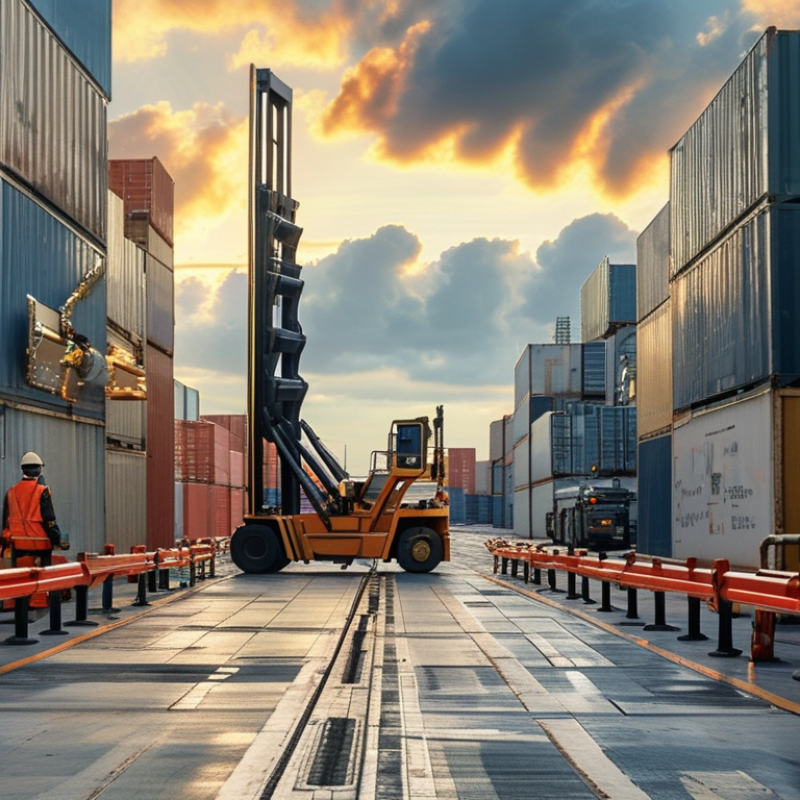
Industrial loading docks present unique safety challenges. Workers face constant movement, heavy equipment, and tight spaces. To protect them, proper safety gear is essential. Personal protective equipment (PPE) should always include hard hats, reflective vests, and safety shoes. Each piece serves a specific purpose to shield individuals from various hazards.
Tips: Ensure hard hats fit properly. Reflective vests should be visible in all lighting conditions. Safety shoes need to provide good grip on wet surfaces.
Additionally, gloves should be worn to prevent injuries from sharp objects. Hearing protection may be necessary in noisy environments. Safety glasses are crucial for protecting eyes from debris or chemicals. Workers should regularly check and replace their gear. Wear and tear can compromise safety.
Tips: Conduct routine gear inspections. Remind staff to report any damaged equipment. Safety training sessions can reinforce awareness and improve practices. A proactive approach can create a safer environment for all.
Forklift operation safety is critical in industrial loading docks. According to the National Institute for Occupational Safety and Health (NIOSH), around 85 fatal injuries occur annually due to forklift accidents. Proper training and adherence to safety procedures can significantly reduce these incidents. Workers should receive thorough training on operating forklifts and understanding their limits.
**Tip:** Always ensure operators are certified and retrained regularly. A focus on continual education helps to reinforce safety protocols.
Another vital aspect is the inspection of equipment. Regular checks can help identify potential hazards. A report by the Occupational Safety and Health Administration (OSHA) highlights that unmaintained equipment contributes to about 10% of workplace accidents. Keeping forklifts in good working condition is not just best practice; it is essential for a secure work environment.
**Tip:** Schedule daily inspections before shifts. This small step can prevent major accidents.
Lastly, establishing clear communication among staff is crucial. Non-verbal signals should be universally understood to avoid confusion. Miscommunication can lead to dangerous situations. Regular safety meetings can help reinforce these practices.
**Tip:** Use colored vests to signify roles in the loading area. This clarifies responsibilities and enhances focus on safety.
| Safety Requirement | Best Practice | Frequency of Review | Responsible Party |
|---|---|---|---|
| Forklift Operator Training | Conduct regular training sessions and refresher courses. | Every 6 months | Safety Manager |
| Loading Dock Inspection | Perform checks for hazards and equipment functionality. | Monthly | Maintenance Team |
| Personal Protective Equipment (PPE) | Ensure proper PPE is worn by all personnel in the area. | Continuous | Site Supervisor |
| Traffic Management | Implement clear signage and designated routes for vehicles and pedestrians. | Annually | Logistics Coordinator |
| Emergency Procedures | Regular drills and clear communication of procedures to all employees. | Quarterly | Safety Officer |
Enhancing safety and stability at industrial loading docks requires attention to key structural elements. Reports indicate that about 25% of workplace injuries occur in loading areas. Investing in dock design can change these statistics dramatically. Proper dock height is crucial for smooth loading and unloading. A height mismatch can lead to hazardous conditions.
Guardrails are essential for protecting workers and equipment. A survey highlights that facilities with adequate guardrails reduce fall incidents by up to 40%. Additionally, dock levelers must be well-maintained to bridge gaps securely. Frequent inspections play a role in ensuring functionality and safety.
Lighting is another vital aspect often overlooked. Poor lighting contributes to accidents. Statistics show that improved lighting can enhance visibility by 70%, decreasing the risk of mishaps. However, facilities often fail to audit their lighting needs, leading to potential hazards. Regular evaluations are necessary for maintaining an optimal environment. Enhancing these structural elements requires consistent effort and reflection on safety protocols.
Loading dock safety is crucial in industrial operations. Many companies overlook the importance of proper training programs for employees. According to the National Safety Council, loading docks account for a significant number of workplace injuries each year, primarily due to inadequate training.
Training programs should cover essential safety practices. Employees must learn about equipment operation, proper lifting techniques, and how to identify hazards. These training sessions can significantly reduce the risk of accidents. Data shows that facilities with robust safety training report up to a 30% decrease in injuries related to loading docks.
Interactive training methods can engage employees more effectively. Using simulations or hands-on training enables workers to apply knowledge in real-life scenarios. However, many companies still rely on outdated training methods, which may not address current safety challenges. Investing in modern training approaches is not just a compliance requirement but a necessity for employee safety and operational efficiency.
Industrial loading docks are high-risk areas. Hazards abound, from machinery to heavy loads. Employees face potential injuries daily. It's crucial to recognize these risks.
Common hazards include forklift accidents and falls. Forklifts may operate close to pedestrians. Poor visibility increases the danger. Workers should wear high-visibility gear. Barriers can help separate forklift traffic from pedestrian paths.
Another issue is unsecure loads. Falling objects can cause severe injuries. Proper loading techniques are vital. Regular training on load stability can mitigate these risks. Also, environmental factors like weather can affect dock safety. Wet surfaces can lead to slips. Non-slip flooring is a smart investment. Maintaining a clean workspace reduces clutter and hazards.
: Essential gear includes hard hats, reflective vests, safety shoes, gloves, hearing protection, and safety glasses.
Properly fitting hard hats ensure maximum protection and reduce the risk of injury during accidents.
Workers should wear high-visibility vests in various lighting conditions to enhance safety around moving equipment.
Common hazards include forklift accidents, falls, and falling objects from unsecure loads.
Barriers can separate forklift traffic from pedestrian pathways to reduce accidents.
Routine inspections help identify wear and tear, ensuring equipment remains effective and safe.
Wet surfaces can cause slips. Non-slip flooring helps prevent falls in such conditions.
Regular training sessions on proper loading techniques and gear usage can improve safety awareness and practices.
Maintaining a clean workspace reduces clutter, minimizing hazards and improving overall safety.
Workers should immediately report any damaged equipment to ensure safety is not compromised.
Industrial loading docks pose various safety challenges, making it essential to adhere to specific safety requirements to ensure the well-being of workers. Key safety gear for employees includes personal protective equipment (PPE) such as helmets, gloves, and high-visibility vests. Safe forklift operation is pivotal, necessitating engaged training and adherence to best practices to reduce the risk of accidents. Additionally, structural elements like proper dock levellers and protective barriers are vital for enhancing safety and stability during loading and unloading processes.
Critical training programs focusing on loading dock safety are necessary to equip employees with the knowledge to identify and mitigate hazards. Common risks include slips, trips, falls, and vehicle-related accidents, which can be managed through effective risk mitigation strategies. In summary, understanding "What are the safety requirements for industrial loading docks" involves a comprehensive approach that includes appropriate safety gear, forklift safety protocols, structural enhancements, robust training programs, and proactive hazard management.

Vistaro Door