Why Does a Galvanized Steel Shutter Last So Long?

Time:2026-11-26 Author:Isabella
0%

A galvanized steel shutter is designed to handle daily movement and exposure to moisture. Its protective zinc coating slows rust by separating steel from the environment and, in many cases, protecting small exposed areas sacrificially. That is useful, not magic. A dusty track, trapped water, or damaged finish can still shorten service life.

What is the lifespan of a galvanized steel shutter? There is no single answer. A shutter in a dry indoor setting may last for decades, while one exposed to coastal salt, industrial pollutants, or persistent dampness may deteriorate sooner. The coating’s thickness, fabrication quality, installation, and maintenance all matter. A precise lifespan cannot be promised from the material name alone.

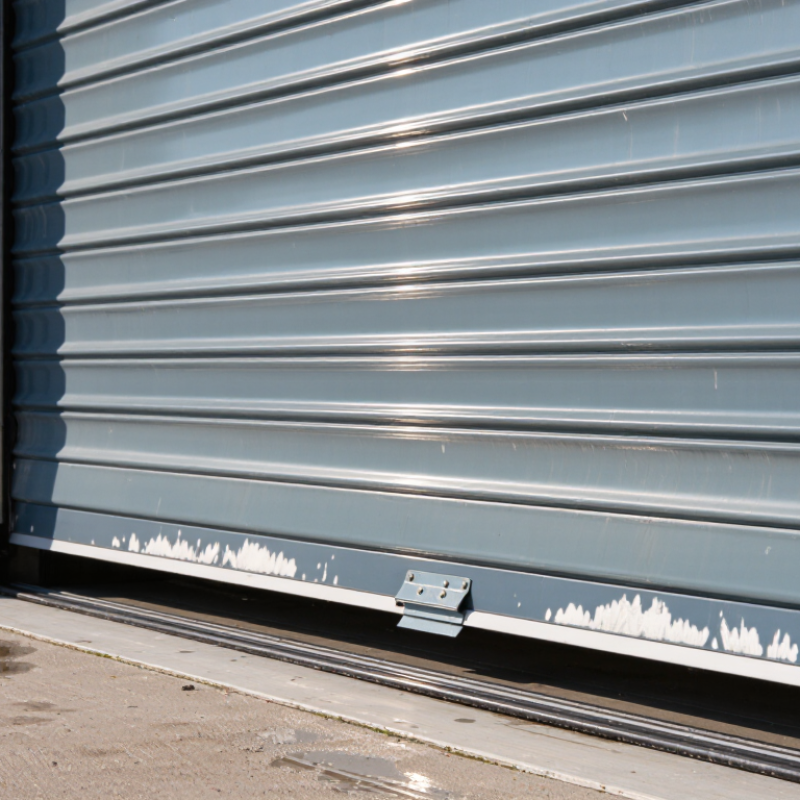
Look closely at the details. White corrosion deposits, bubbling paint, red rust, loose fixings, or a shutter that sticks can signal a problem worth checking. Keeping tracks clear and allowing surfaces to dry may help; harsh cleaning or neglected damage may do the opposite. Small habits count.

This article explains why galvanized shutters often last so long, what conditions affect their durability, and which signs deserve attention. It also leaves room for uncertainty: two shutters installed on the same building can age differently. That difference is easy to overlook. The practical goal is not to assume a galvanized finish lasts forever, but to understand its protection and inspect it realistically.
Why Does a Galvanized Steel Shutter Last So Long?

Materials and Structure of a Galvanized Steel Shutter

A galvanized steel shutter combines a strong steel core with a protective zinc coating. Steel resists bending and impact, while zinc helps slow corrosion when moisture reaches the surface. The protection is not magic. Deep scratches, damaged edges, or standing water can still lead to rust over time.

Its structure matters, too. Interlocking slats form a flexible curtain that travels through side guides. The guides help keep the shutter aligned, while the bottom rail adds weight and helps it close evenly. At the top, a barrel houses the shaft around which the curtain rolls. Smooth movement depends on suitable clearances and secure mounting; a poorly aligned shutter can wear unevenly, even when its metal is sound.

Details make a difference. Cut edges and fastener holes may be more vulnerable because the coating can be thinner or disturbed there. Regularly clearing grit from the guides and checking for chipped coating are practical steps. I would not assume every galvanized shutter will last equally long: exposure, installation, and upkeep change the outcome. Small checks matter. A shutter facing salt spray or persistent dampness may need closer attention than one in a sheltered, dry opening.

How the Zinc Coating Forms a Protective Barrier

Why Does a Galvanized Steel Shutter Last So Long?

How the Zinc Coating Forms a Protective Barrier

A galvanized steel shutter resists corrosion because its zinc coating stands between steel and moisture. The coating acts as a physical barrier, limiting contact with rain, damp air, and oxygen. If the surface gets scratched, zinc can also corrode in place of the exposed steel nearby. That matters. Over time, zinc corrosion products may build up and help cover small imperfections. This protection is useful, but it is not magic.

A shutter’s actual lifespan depends on its surroundings and upkeep. Coastal air, trapped moisture, rough handling, and repeated abrasion can wear the coating faster. Hinges, edges, and fastener holes deserve attention because damage often appears there first. A small scratch is not always a serious problem, yet deep or expanding rust should not be ignored. Even good coatings need sensible care.

Tips: Rinse off salt and grime with clean water, then let the shutter dry. Check corners and moving parts during routine cleaning. Avoid abrasive tools that could scrape away zinc. If you spot a damaged area, use a repair product intended for galvanized steel and follow its instructions. Small marks count. Inspect again after wet seasons; a missed spot can be easy to overlook.

How Zinc Corrosion Protection Extends Steel Life

Why Does a Galvanized Steel Shutter Last So Long?

How Zinc Corrosion Protection Extends Steel Life

A galvanized steel shutter lasts longer because zinc coats and shields the steel. The coating slows water and oxygen from reaching the metal. If a small scratch exposes steel, nearby zinc may corrode first, helping protect the exposed spot. This is called sacrificial protection. Not forever. Zinc gradually wears away as it reacts with moisture and pollutants.

Protection depends on coating thickness, drainage, and local conditions. A shutter exposed to sea spray or trapped dampness may lose zinc faster than one that dries quickly. Check lower slats, hinges, and cut edges, where water and grit can collect. Red-brown rust may indicate exposed steel. White, powdery deposits can be zinc corrosion, but do not always mean the steel has failed. Zinc helps, but it cannot fix poor drainage. That detail is easy to miss.

Tips: Keep slats and drainage gaps clear. Rinse off salt and dirt with clean water, then let the shutter dry. Inspect scratches and joints now and then; small signs are easier to assess before corrosion spreads.

Environmental Factors That Affect Shutter Durability

Why Does a Galvanized Steel Shutter Last So Long?

Environmental Factors That Affect Shutter Durability

Galvanized steel resists corrosion because its zinc coating shields the steel beneath. How long that protection lasts depends heavily on the surroundings. In coastal areas, airborne salt can speed up zinc wear, especially where deposits collect in seams or around fasteners. Industrial pollution and persistent dampness can also make corrosion progress faster. Dry, well-ventilated locations are generally less demanding.

Water deserves close attention. Rain usually drains away, but water trapped along a bottom rail can keep the surface wet for hours. That matters. Repeated wetting and drying, combined with temperature changes, may gradually weaken exposed areas. Scratches, drilled holes, and cut edges deserve inspection too, since the steel may be less protected there. The coating is tough, not invincible.

Small maintenance choices can help. Clear leaves and grit from tracks, check that drainage openings stay clear, and rinse off salt deposits when practical. Use gentle cleaning methods; harsh abrasion can remove protective coating. A shutter facing a sheltered courtyard may need less attention than one exposed to sea spray, but conditions vary from building to building. There is no exact service-life prediction from location alone. Inspecting the shutter periodically gives a more useful picture of its actual condition.

Maintenance Practices That Preserve the Coating

A galvanized steel shutter lasts only as well as its zinc coating is cared for. Dust, road salt, and bird droppings can hold moisture against the surface. Rinse it with clean water, then use a soft cloth or nylon brush and mild soap. Be gentle. Abrasive pads can wear through the coating, especially at corners and around slats. Rinse away soap and let the shutter dry.

Make inspections part of routine cleaning, particularly after winter or coastal weather. Check bottom rails, hinges, fasteners, cut edges, and places where water collects. Small scratches matter. If bare steel is exposed, clean the area and apply a suitable zinc-rich repair coating according to its instructions. Keep drainage slots clear, and avoid strongly acidic or alkaline cleaners.

A pale, powdery deposit can form when new galvanized surfaces stay damp with little airflow. It differs from red rust, but it is a sign to improve drying and ventilation. Hidden joints are easy to miss; the broad panel may look dry while a hinge pocket stays wet. If rust spreads or the coating flakes, have a qualified coating professional assess the damage before repainting. Even careful maintenance has limits.

Why Does a Galvanized Steel Shutter Last So Long?

Atmospheric zinc corrosion rates show why a sound coating can provide long-lasting protection—and why regular care matters.

How to read this: The bars show the ISO 9223 first-year atmospheric corrosion-rate ranges for zinc, in µm/year. Lower rates generally mean slower coating consumption. Keep the shutter clean, clear away deposits, maintain drainage, and promptly repair coating damage to help prevent premature local corrosion. Actual performance depends on exposure and maintenance.

FAQS

How does zinc protect a steel shutter?

Zinc forms a barrier against moisture and oxygen. If scratched, it can corrode instead of nearby exposed steel.

Does every scratch mean serious damage?

No. Small marks may be manageable, but deep or spreading rust needs attention. A corner can be easy to miss.

Which areas should I inspect?

Check hinges, edges, corners, fastener holes, and the bottom rail. Damage often appears there first.

How should I remove salt and grime?

Rinse the shutter with clean water, then let it dry. Avoid abrasive brushes.

What conditions can wear zinc faster?

Salt air, industrial pollution, trapped moisture, and abrasion can speed wear. Coastal seams deserve closer checks.

Why is trapped water a concern?

Water along a bottom rail can keep the surface wet for hours. Repeated wetting may weaken exposed areas.

How often should I inspect the shutter?

Check it during routine cleaning and after wet seasons. No single schedule suits every building.

How should I handle damaged coating?

Use a repair product intended for galvanized steel and follow its instructions. Check the area again later.

Conclusion

A galvanized steel shutter lasts so long because its durable steel structure is protected by a bonded zinc coating. The coating creates a barrier that limits moisture and oxygen from reaching the steel. If the surface is scratched, zinc can also corrode preferentially, helping protect exposed steel from rust and slowing the spread of damage. Together, the strong base material and protective coating allow the shutter to withstand years of regular use.

What is the lifespan of a galvanized steel shutter depends on its coating thickness, installation, exposure, and upkeep. Humidity, salt in coastal air, pollution, and repeated abrasion can accelerate wear, while sheltered conditions may help preserve the finish. Regularly cleaning away dirt and corrosive deposits, checking for scratches or areas of rust, and promptly repairing damaged coating can extend service life. With suitable care and conditions, a galvanized steel shutter can remain functional and dependable for many years.

Isabella

Isabella

Isabella is a dedicated marketing professional with a sharp focus on driving brand growth and engagement through strategic content creation. With an extensive background in digital marketing, she combines her passion for storytelling with her keen understanding of industry trends to deliver......